Showing posts with label motivation. Show all posts

03 February 2016

The most important truths about paleo

There’s an increasing level of attention given to paleo-driven lifestyles these days. For various reasons, as health research pours in and medical spendng balloons, the realities that the decades old condemnation of fat and meat, and the promotion of carb-rich grains are slowly, but surely growing in prominence. Paleo works and the evidence support it. That being said, there are many incredibly strong misunderstandings about what the pursuit of a paleo, primal, evolutionist or ancestral health driven lifestyle means and all of these misunderstandings confuses the case and deters people from understanding the real fundamentals of long-term health. Here are the most important truths about paleo living.

sketch-1454444900876.jpg

Paleo isn’t about weight-loss

Unlike most nutrition plans paleo is more of a lifestyle approach to stable long-term health rather than a means to losing weight. Sure, the pursuit of one will often lead to the other, meaning if you can lose weight you’re more likely to be healthier, but the priority isn’t on weight-loss, it’s with long-term health. This is a key distinction. If you approach you’ve just set a New Year’s resolution, or pursuing a long historical goal of improving your health, then of course, “losing weight” is a logical first step. This is reflected in the advertising of most programs whether they’re nutrition plans, books, gyms or personal trainers. Losing weight is almost always the first bullet point.

There isn’t anything inherently wrong with this, however this mindset does pose problems. Very simply, losing weight is short term and really, isn’t an absolute indicator of improved health. Paleo style ideologies such as the Primal Blueprint aligns closely with the long-term aspect of optimal health. Start eating the right foods, getting adequate sleep and finding the most effective ways to use physical activity to enhance your health, and your ideals will be met - whether that’s losing weight, gaining muscle, improving moods, enhancing energy and everything else around good health.

If dropping kilos is definitely on the agenda, paleo fundamentals can be geared toward this, but the key is still doing so in a long-term oriented health manner. Rapidly shedding 10 kg in a 6 week challenge, loving the results and positive attention, but hating every minute of the process, doesn’t say much for the sustainability of that path. If it’s a struggle to find the time, you don’t enjoy the food you’re eating, or are hungry and exhausted all the time, there’s a good chance that eventually, you’ll crash.

“Living like a caveman” is an over exaggeration

One of the most common sentiments attached to paleo is the metaphor of the caveman. Cavemen didn’t eat processed foods; cavemen ate fresh and local food; cavemen walked everywhere. Truth be told, “the caveman” does serve as a core symbolic figure of most paleo principles I’ve studied, including the Primal Blueprint which has gone as far as developing a distinguished mascot named “Grok”. That being said, using half-baked and oversimplified reasoning like “live like a caveman” should still be taken in consideration of the real world.

Cavemen didn’t see doctors, perform surgeries, drive cars, have electricity, stoves, computers or the internet. Cavemen also didn’t utilise vaccines or have to abide by 40-70 hour work weeks of various degrees of monotonous structure. If “would cavemen do this?” is your lead criteria for the decisions you make, odds are, you’re missing out on a lot of what the modern world, evolution and incredible human ingenuity has to offer - whether it’s relatively trivial like YouTube, or incredibly vital to health and wellbeing of all levels like vaccinating your children.

While most that follow paleo or primal principles are aware of this, criticisms usually target the oversimplified metaphor. Throwing out core ideals of a healthy diet,  such as estbalishing colourful vegetables as the foundation, because “well, cavemen died of diseases way more so it’s all bogus” is entirely ridiculous.

Reducing carbs isn’t the absolute goal

The reality that carbs should be limited is not the same as saying they need to cut out altogether.  Instead, carbs should be controlled, and the idea of them -- even complex carbohydrates in rice, whole grains and the like -- being healthy should be broken. This does not mean that “the fewer carbs the better”, but instead, that there is a threshold which should not be breached. Below is the Primal Blueprint’s carbohydrate curve. For the average person, daily consumption of 100-150 grams of carbohydrates is the zone of “effortless weight management”. In this zone, your body is able to smoothly metabolise carbohydrates without any excess carbs being converted into sugar, spiking insulin levels and producing harmful triglycerides. Creep above this zone and and insidious weight gain kicks in where te cycle of excess carbs and craving excess carbs kick in and the road to bigger bellies, energy roller coasters and food cravings begin. Consumption of under 100 grams of carbs daily is the path to ketosis where the body learns to burn fat for fuel rather than carbs leading to better muscle tone, better brain development and overall improved health.
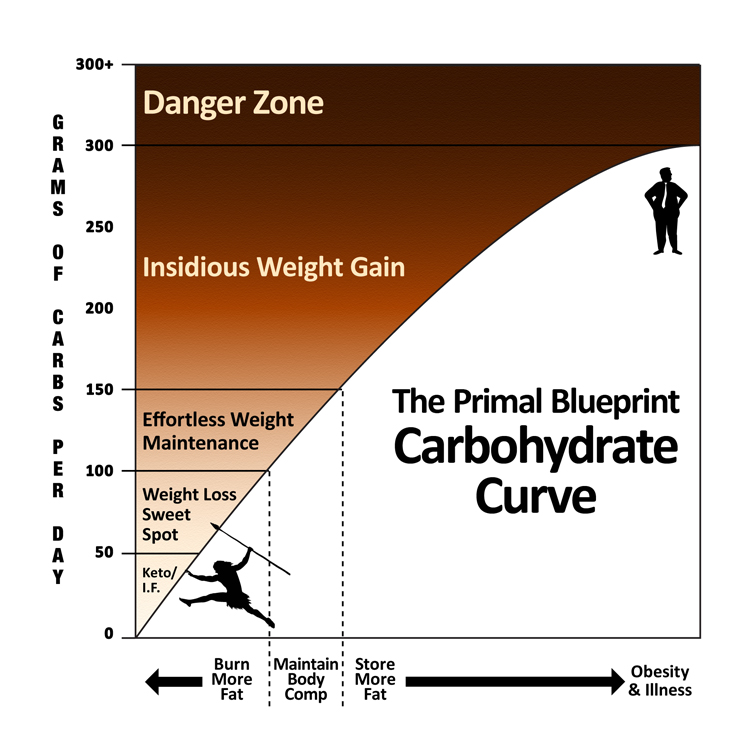

The most important thing is to remember that this is all dependent on the rest of your lifestyle. This curve aligns pretty closely with how my weight fluctuates. I have comes to love knowing that my weight stays the same even if I feast on roasted chicken, ribs or a wonderful medium-rare steak and all the beautiful vegetables I can handle, but soda and popcorn combo at the movies means I’m a little heavier the next day. Of course, I’m not elite athlete. If I were to return to my running and basketball training days, and even more so if I was competitive, the curve would may need to be adjusted to accommodate the greater demand for fuel.

Meat isn’t the foundation food.

As much as the rhetoric around paleo and primal living professes a long love affair of bacon, the prominence of meat, fish and fowl has been largely overblown. Even though the Primal pyramid has animal products at the base, vegetables are the most important component of healthy eating. For those that are into counting calories, animal products represent the bulk, but in terms of volume of food, or the space on the plate, colourful veggies reign supreme.
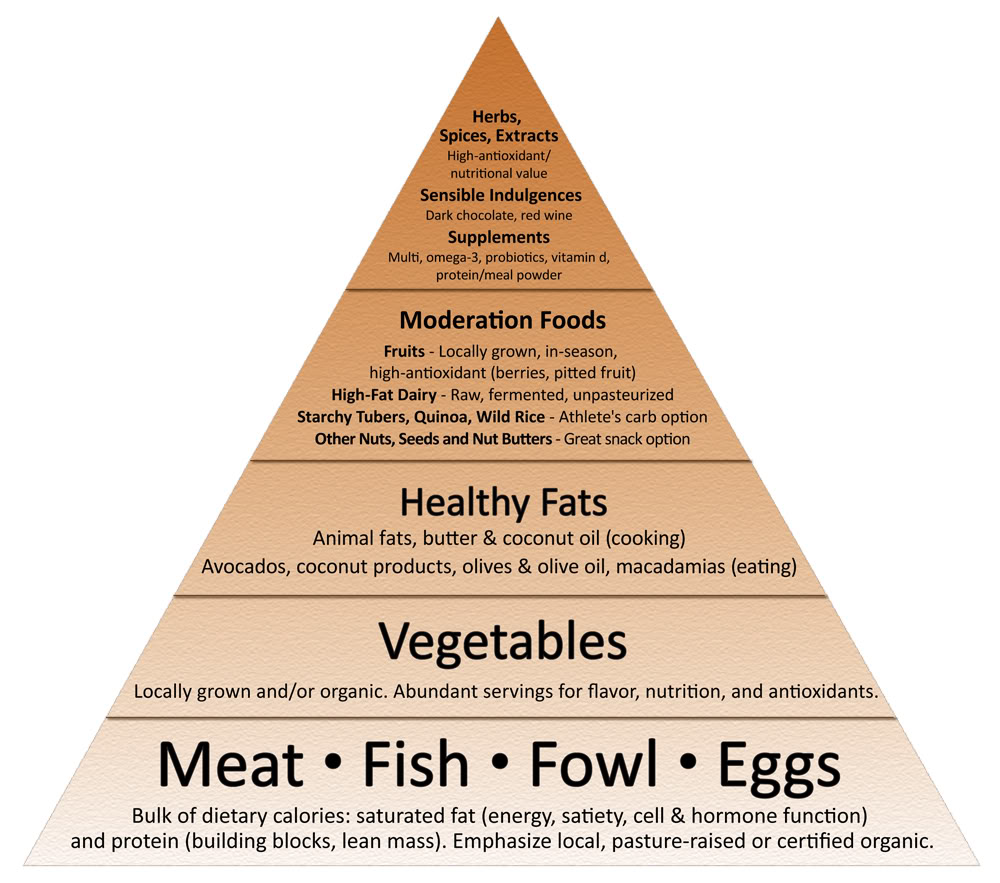
Meat fish and fowl are essential for many reasons. Everyone knows protein acts as the building blocks of muscle strength, but it’s lesser known that the fats as well, including the falsely maligned saturated fats provide satiety and the essential slow-burning energy source the body prefers as well as optimises cell and hormone function. There’s no need to steer clear of chicken thighs or cut fat off your steaks - not only is this delicious, but it’s actually best for you.

Paleo is too expensive

We live in a budget driven culture and it is because of this that adjusting to higher initial costs of healthier food of a paleo variety may the most difficult task. Fresh, local, grass fed or free range animal products from a local butcher is likely to be more expensive than highly processed, hormone-fueled products that have been forzen and shipped in bulk across thousands of kilometres before getting to your big box grocery chain. Per net weight, in-season colourful vegetables have a higher price tag than mass produced bread, crackers and pastas. Unfortunately, there isn’t really much of a path around this. The whole reason food is highly processed and injected with harmful ingredients and additives to begin with, is usually to make more for cheaper with growing profits at a higher priority than health or sustainability.

So, while paleo, or primal modifications to one’s nutrition may be more expensive in a vacuum, it’s best again to adjust the mindset. Increased consumption of healthy vegetables, animal products and quality fats provide more satiety meaning less food can be purchased in volume. While pastas, breads, crackers and chips an frozen junk foods are cheaper, they lead to more cravings which in turn lead to more grocery shopping. My parents always used to half-joke that, growing up, the cereal-budget alone was equal to an extra 5 years of early retirement. There is also the reality that in the long-term, a healthier lifestyle means less spending on doctor’s consultations, medication, surgeries and expensive health care bills in the future. When the other option is increasing the likelihood of needs tens of thousands of dollars in medical treatment as we age, a few extra dollars a day is our preferred choice.

There’s an incredible amount of flexibility to paleo
Above all else, the worst misunderstanding surrounding a paleo lifestyle is that it is strict. Yes it is built on fundamentals as all lifestyle approaches are, but inherent in these is a realistic and practical need for adaptability. One thing that is often ignored when the “caveman” metaphor is used is just how big the world in which the caveman, or cavemen lived.

Our ancestry traces back to all sorts of different landscapes, climates and environments - desert, arctic, tropical, prairie, coniferous forest, and everything else literally under the sun. Indigenous tribes in west Africa would have a completely different lifestyle than the peoples traversing northern Europe or South America. Those in arctic environments would’ve had to thrive on fattier animal products from cold water and wouldn’t have much options for colourful vegetables. Aboriginal peoples of the South Pacific would have lived off of more insects, fish and tropical fruits than those in the mediterranean. This is what evolution is. Foods themselves don’t have to be consistent, but the fundamentals are - fresh, local and in-season.

There are plenty of excellent paleo and primal resources that can be found with simple Google searches. I am a personal favourite of MarksDailyApple.com by Primal Blueprint founder Mark Sisson, but if you’re interested for an approach more personal to me, I’ve written a short series on what primal living means in our house here and keep a Google+ collection of our efforts on being healthy forever here.

13 January 2016

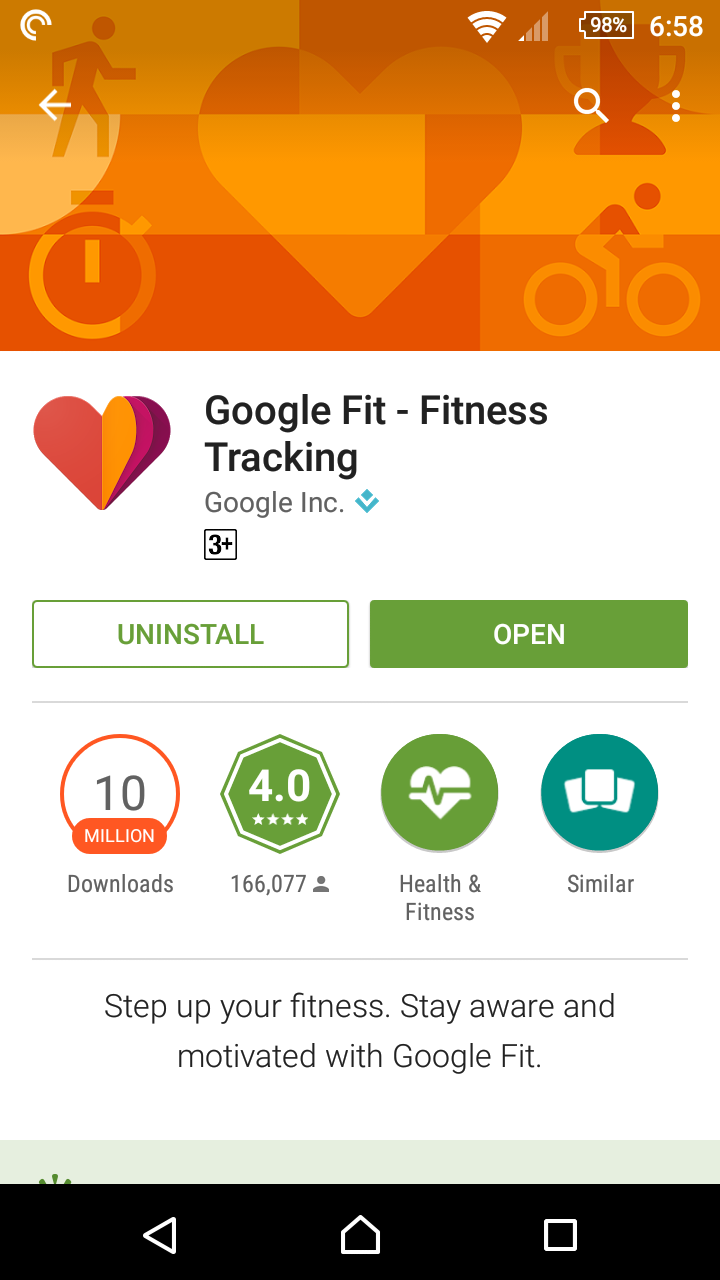
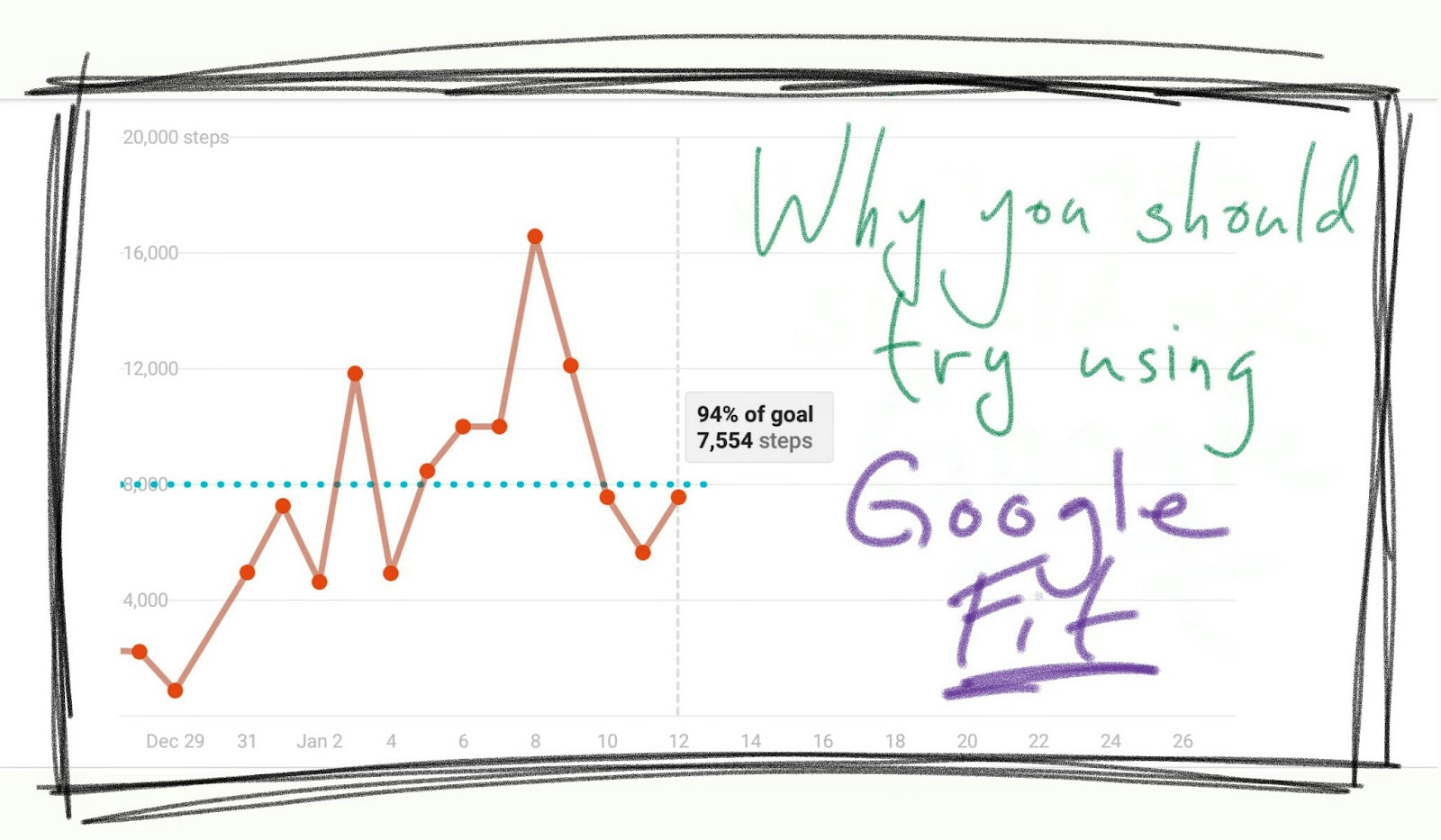
Google Fit app review: a free and excellent fitness tracker

If there's one piece of technology that has really exploded in popularity in recent years, it has to be fitness trackers. As recent as 3 years ago wearing devices around your wrist, clipped to your clothing was a niche market. At the same time, using phone app to track your runs or rides were common for enthusiasts and competitors, but the average person didn't care all that much. Since then however, it's difficult to be in a public place, a shopping centre, office, or busy pedestrian street without spotting many a lot of these devices on people's wrists.


Activity trackers likes Fitbits were among the most popular holiday gifts for the last couple of years. Whether it's dedicated devices or specific apps, it's become incredibly common, extremely easy and debatably useful for people track their steps, weight, distance travelled, energy burned and overall physical activity in pursuit of better health and well being. There are so many options with a wide range of features, form factors and price points, but if you're just starting out and testing the waters, Google Fit may be what you're looking for.


Google Fit is an activity tracker created and managed by Google, in the same vain as Gmail, Google Photos, and Google Calendar. Like all other Google Apps, Google Fit is at its core, web-based which means all information is stored and sorted on Google’s services and therefore accessible across all internet connected devices. Google Fit’s ability to automatically track steps, distance and all other typical use-case information, requires your phone to run Android 4.0 (Ice Cream Sandwich) if the phone itself is going to be the primary tracker. The Android OS version shouldn’t be a worry as over 90% of all Android devices run at least 4.0 - if you have an Android device younger than 5 years, you should be good.

What Google Fit does

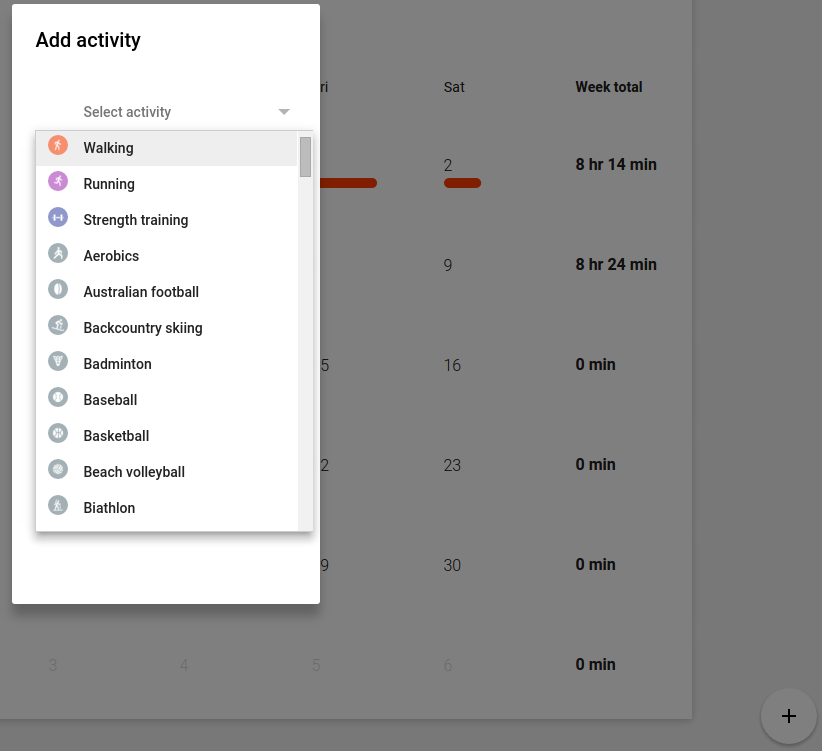
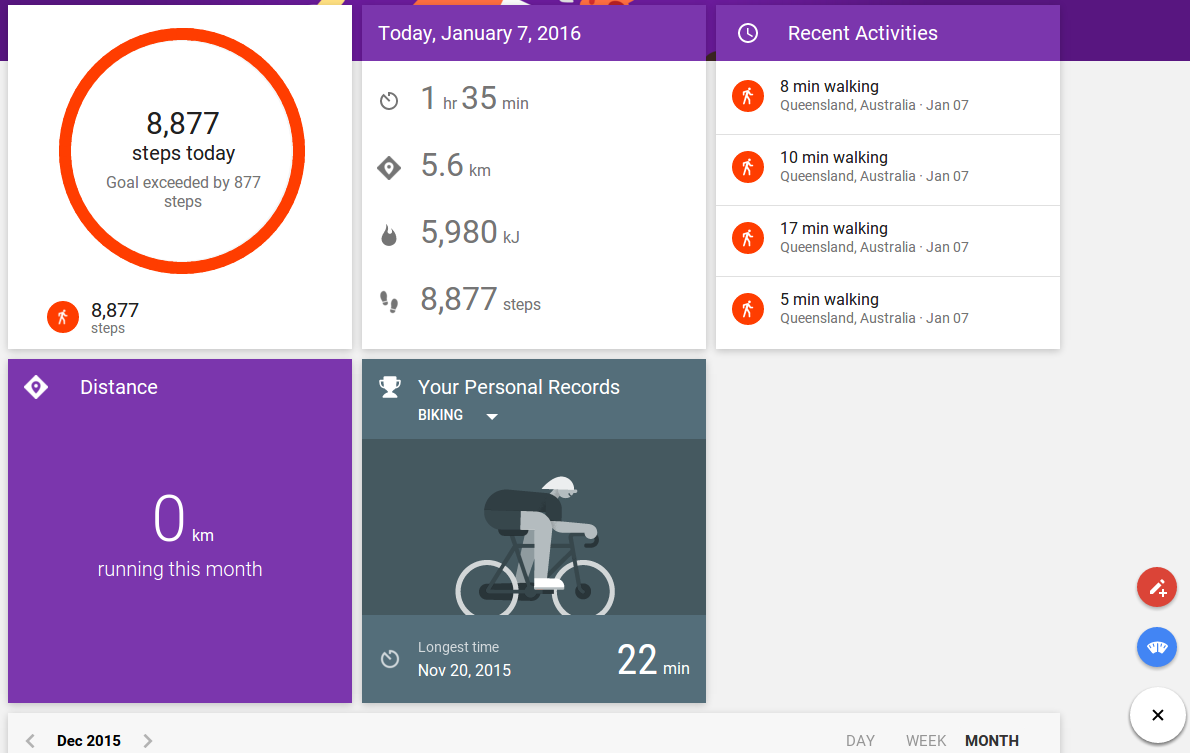
Google Fit is an app which tracks all of the basic markers of physical activity - steps, distance, active time and energy burned. It also allows you enter goals for each on a daily or weekly basis, and enter your weight measurements. The ring is usually the first graphic you see which fills as you build your activity each day with different colours differentiating between different information. The app is able to intelligently distinguish between walking and running, so if you forget to identifying a run, it will still log your steps, energy and the rest as your pace picks up. It's needy, but fun, to go back and find out that it identified those times you quickly scurried across the road or ran around the yard with the dog for a few minutes. Of course, for deliberate workouts, you can select your activity from a massive list (A-Z, Aerobics to Zumba) and the app will smartly configure energy burning, steps and active time for you. You can also enter an activity afterwards - in case you forgot or didn’t have your phone, or any tracking device on you at the time of your workout.


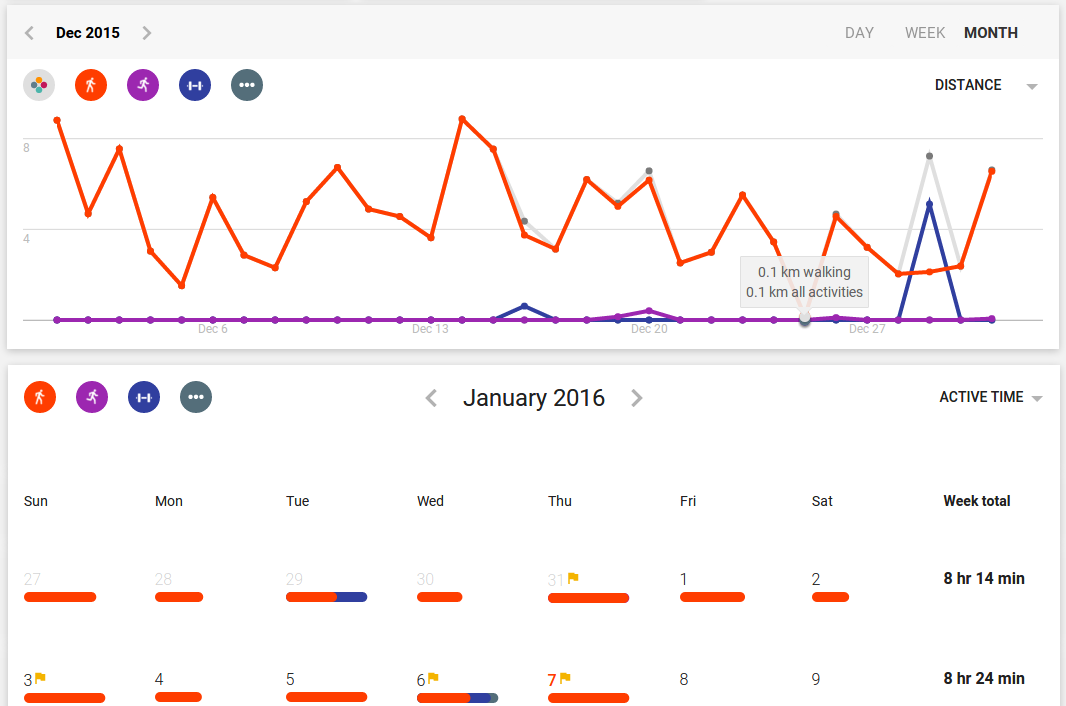
Google Fit then sorts all of this information and presents it to you in real time and with next to no effort. Simple rings and bars show progress, icons are clear and the overall interface make scrolling through past activities, entering new data, changing settings or viewing progress trends easy and fast. The app is designed incredibly cleanly and refrains from bombarding you with menus, options and other elements that could create a cluttered and distracting user experience. Everything you could want to see is incredibly easy to find.


Google Fit is free and available everywhere
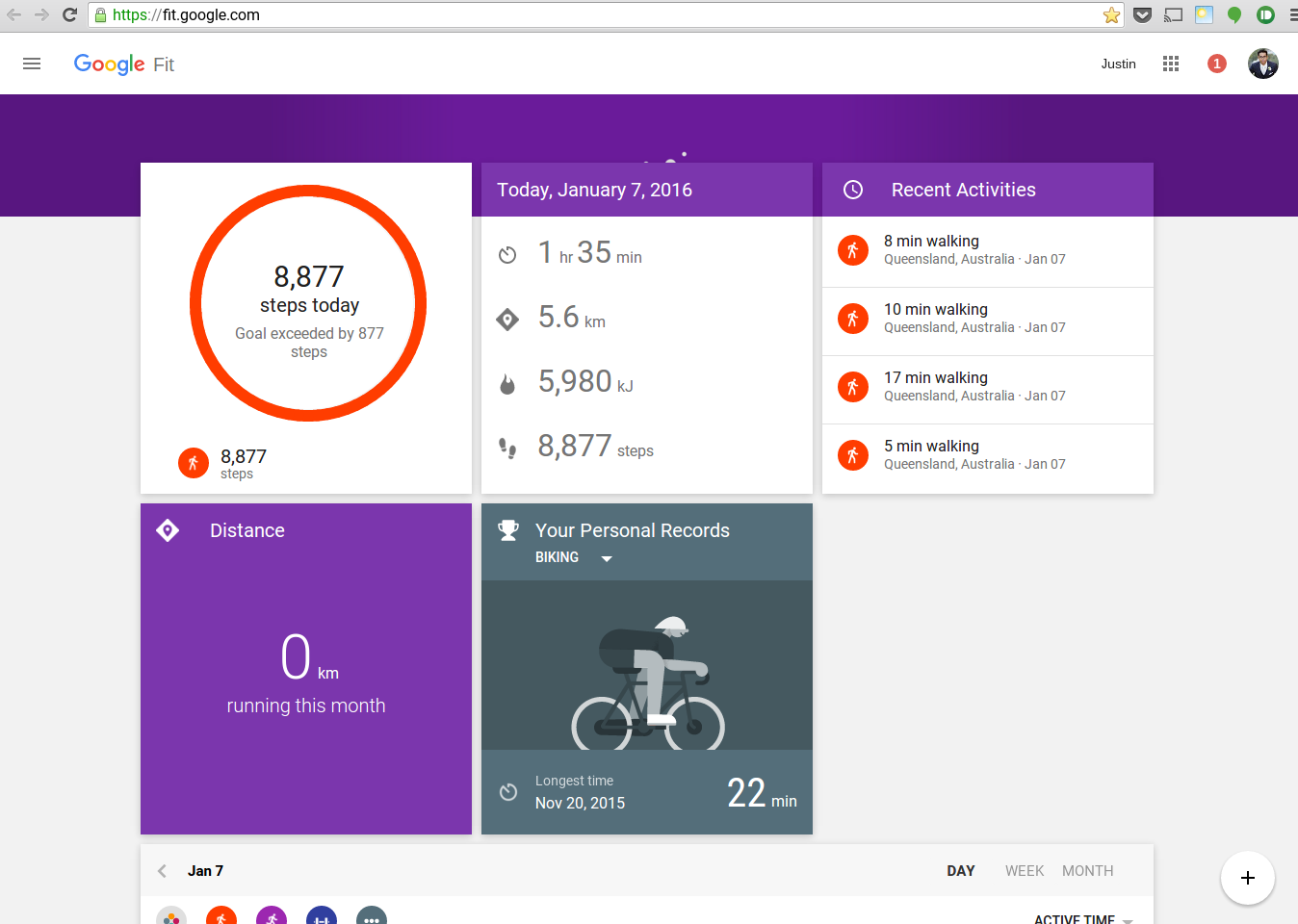
The best things about Google Fit are it's price and availability. As alluded to before, like most Google services it is entirely free and accessible anywhere. Download the app to your Android phone, spend 5 seconds activating it and you're good to go. There's no need to turn it on or off when you want to use it, once you're setup it just just keeps working. I am pretty deliberate with tracking my activity, it's fun for me, so I'm always looking at the app on my phone, or on my laptop (fit.google.com) to see how things are going. My wife doesn't care so much, but does like to see from time to time. She remembers her phone does this maybe once a week and very simply she can get a solid idea of how active she's been over the last few days, weeks or months. Of course, this depends on your phone being on you, unless you have a tracker or smart watch.


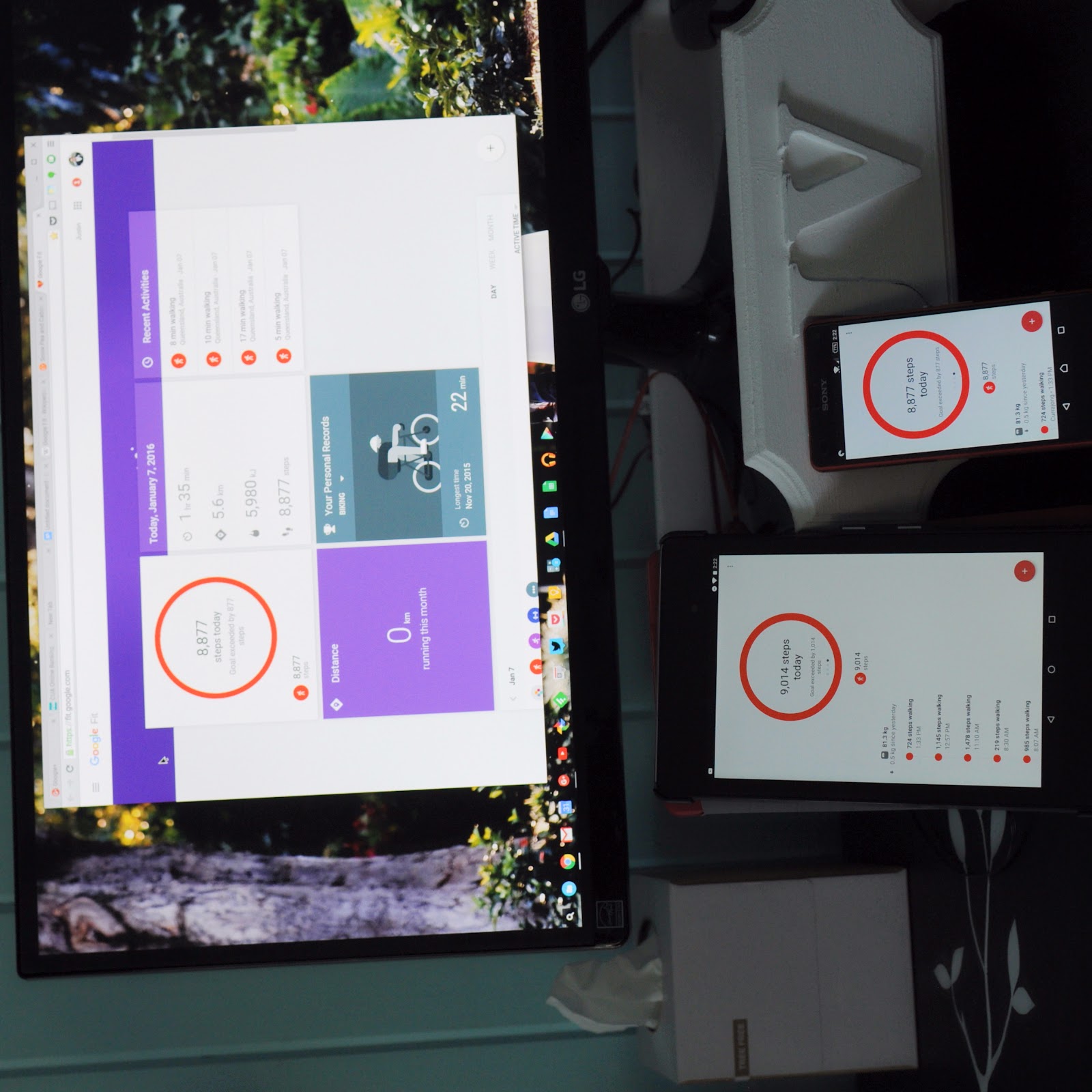
The availability is where I find the most piece of mind. Apple Health requires an Apple device, there is now Web version, so if you one day move to Android or Windows phone and your history is locked within Apple's walls. As said before, Google Fit being available via a browser adds a greater layer of openness for the long term. It's so handy to be able to look at my activity on my phone, tablet and laptop, and it pulls from most other notable fitness trackers to combine everything in one place is incredible. The value increases exponentially as I'll still be able to do so when I upgrade all of those devices. IT should be noted however that synschornisation isn’t perfect - at least not in real-time. Below is a photo of the web-site screen, my tablet and phone and as you can see the information is close, but not exactly the same. Past results all seem to be consolidated, for example the logs are all identical as of 2 days ago and earlier, but real-time and the day before seem to be be slightly conflicting.


While the slight glitch in across-device consistency isn’t perfect, this flexibility is the greater plus. Maintaining a healthy lifestyle is forever, so if you're in the camp that finds value in activity tracking, being locked into whatever device you're using in a given moment, and the possibility of losing everything if and when you change to something else is a big deal. You may use a step counter now, then take up running next year and therefore want a different device made by a specific running brand like Polar, change phone makers 2 years later, and who knows what else in the decades to follow. It pains me that the biggest line, Fitbit is refusing to partner with Google (or Apple) on this. Fitbits are great, but on a  personal level I don't like services that are built to lock me in.


There's no iOS app yet
The unfortunate and frankly, un-Google aspect is that there currently is not iOS app. The Google Fit app is exclusive to Android, just like Apple’s version, HealthKit is exclusive to iOS. This means that iPhone users can use Google Fit to keep their records, but the phone’s sensors can’t feed into Google Fit directly. That being said, Google has allowed access to developers for anyone who chooses to use their APIs, which means that most of the well known fitness apps, Nike, Strava, Adidas, Withings, Runtastic, RunKeeper, and MapMyFitness can all synch to Google Fit. So, if you use Strava to track your bike rides, Nike+ to track your runs, plus want a place to log your weight each week, Google Fit can be your one-stop-shop. It is bothersome that Google Fit is not available on iOS. Google Apps are usually written for Apple devices (Gmail, Drive, Google Maps, Google Play Music and Google Photos are all on iOS), as Google’s model is built on allowing everyone to use their services, so Google Fit may be coming. Long story short, if you have an Android device, you’re all set, if not, you’ll need a fitness tracker otherwise you’ll be entering things manually.

Overall
Google Fit is a free application for logging and tracking your physical activity and workouts. There’s no iOS app yet, but you can still access the app via the website which is a very big advantage. This, plus the fact that it can link to almost all other fitness tracking devices (i.e., Withings, Runtastic, Strava, Nike+, RunKeeper, etc) means that your activity will stay with you regardless of what watch, phone, wristband, tablet or laptop you find yourself using as the years go on. And, given that maintaining an active and healthy lifestyle isn’t a temporary endeavour, the ability to keep tracking your workouts, if you find so beneficial, regardless of what watch, phone or wristband you’re using is incredible.

The link to the website is fit.google.com and you can find the


06 January 2016

How to exercise without exercising

There’s a misconception that exercise is based around explicit and unique activities. To one point, it’s understandable why someone would, in efforts to increase strength would approach weight machines and a rack of dumbbells as the best way to do it. If greater endurance is the goal, then something that you wouldn’t do for any other reason than to build endurance, like jogging, makes perfect sense. 

On the other hand, this mentality can create a barrier for some. Treating exercise as a specific task can make it seem more daunting, or difficult to work into a busy schedule. The idea that someone may have trouble finding time for 3-4 hours of working out each week isn’t all that difficult to grasp when juggling family, work and leisure. Dropping stationary bike in front of a TV, or turning a walking session into a chance to catch up with a friend are highly common and highly recommended ways of mitigating these challenges.

sketch-1452050426871.jpg

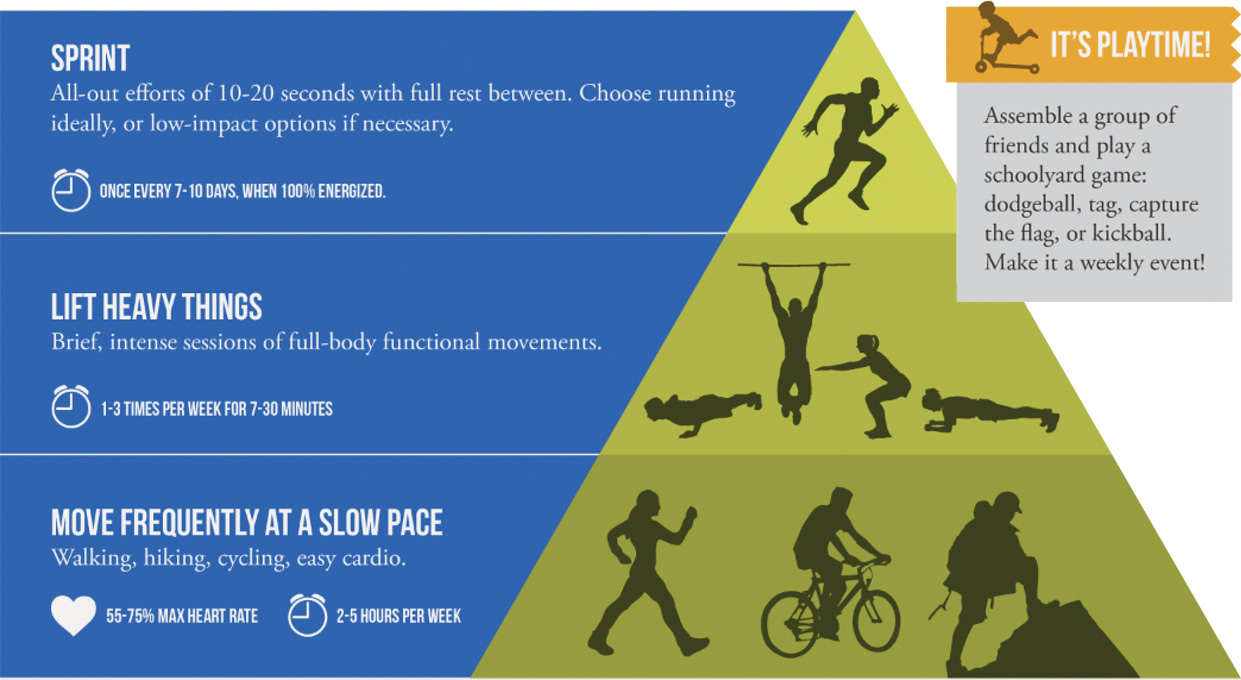
This idea of recontextualising exercise can be taken even further however. Removing the “specificity” from exercise and embracing the overall function and purpose of exercise - to move and challenge the body physically, allows people to live exercise filled lifestyles with minimal burdens on time and psychological commitment. If you can remember that anything where you’re lifting heavy things, pushing the heart rate up in short bursts, and moving frequently at slow paces, it’s much easier to exercise more, without exercises at all. Here are some idea:

Housework - cleaning, mowing, gardening, etc.
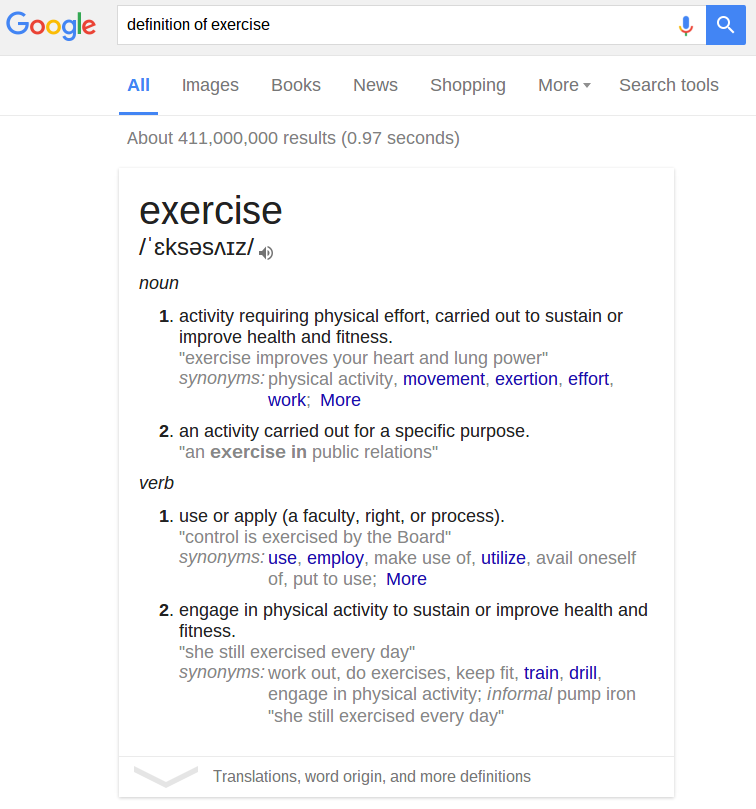
If the definition of exercise boils down to any activity to requiring physical effort, housework fits the bill perfectly. Vacuuming, sweeping, and mopping take time, get your heart pumping and depending on the size and layout of your house, can involve a lot of lifting of heavy buckets of water or vacuum cleaners up and down stairs or in and out of sinks or tubs.

Screenshot 2016-01-05 at 9.10.24 AM.png
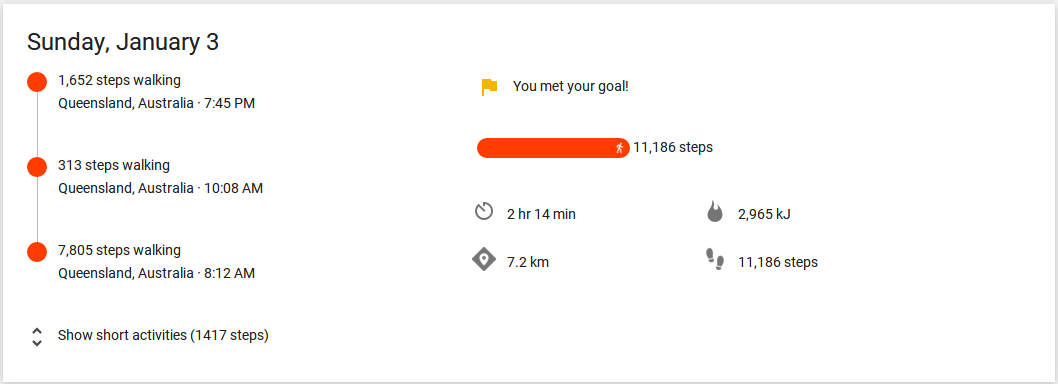
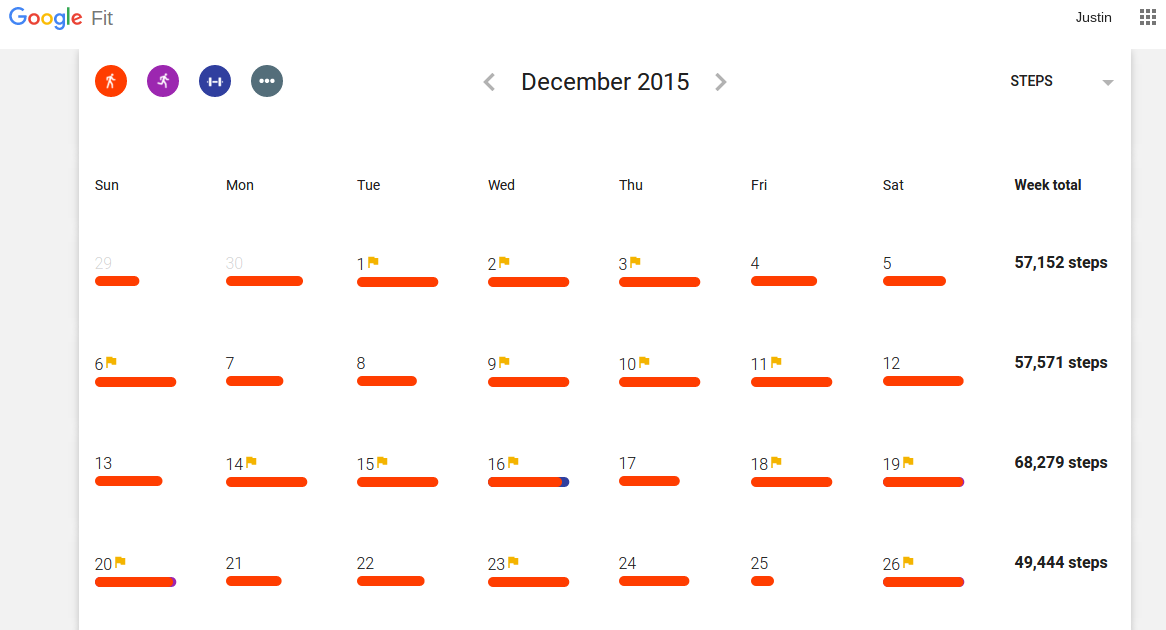
Mowing the lawn, dumping the clippings and carrying around the edge trimmer can be so physically taxing of a workout, that the very nature of this task influences the type of houses people buy and where they choose to live. We always knew our fairly large yard took about two hours, but once we realised it also involved 6km of walking and over 9000 steps, it made mowing far less dreadful. It’s of course still a pain, but the simple psychological shift has allowed for greater motivation and has further improved the health of my body and property alike.

Whether it’s house cleaning, yard work or general repairs and renovations, embracing these activities as beneficial to your physical fitness is a fantastic way of not just exercising, but of getting things done. Two jobs that need to be done that can easily be too boring or time consuming to get done, are now covered simultaneously. Spend a couple hours turning soil and pulling weeds and you have a productive afternoon in a bit of nature and have a much improved garden. Spend the same amount of time, and physical exertion on an elliptical trainer and while it may have been a good workout, you have far less to show for it.


Playing with pets, kids, family, friends, etc.
Despite what conventional wisdom indicates, exercise isn’t about calories burned, but about movement. The concept of “calories in, calories out” is one so oversimplified, it’s borderline meaningless. While the basis for burning enough calories to offset the amount you take in is scientifically correct, the process by which calories, both in and out follow are far more complicated than needing to stay on a treadmill for a certain amount of time to work off that breakfast muffin.


In this light, the emphasis is again on frequent movement of various, spontaneous intensities integrated into your lifestyle. Among the best platforms for this, is play. While play is usually associated with children, it is undoubtedly one of the most time-tested and traditional cultural activities throughout history. Play gets incorrectly boxed in too strongly with physical activity and competition as its benefits go far beyond that, into the realms of creativity, competition, teamwork and many other psychological attributes applicable to everyday life. Stuart Brown, a psychologist who has dedicated decades to studying play’s beneficial properties to both personal therapy and business optimsation calls it a “profound biological process” and suggests that play continually shapes the human brain throughout our lifetime.

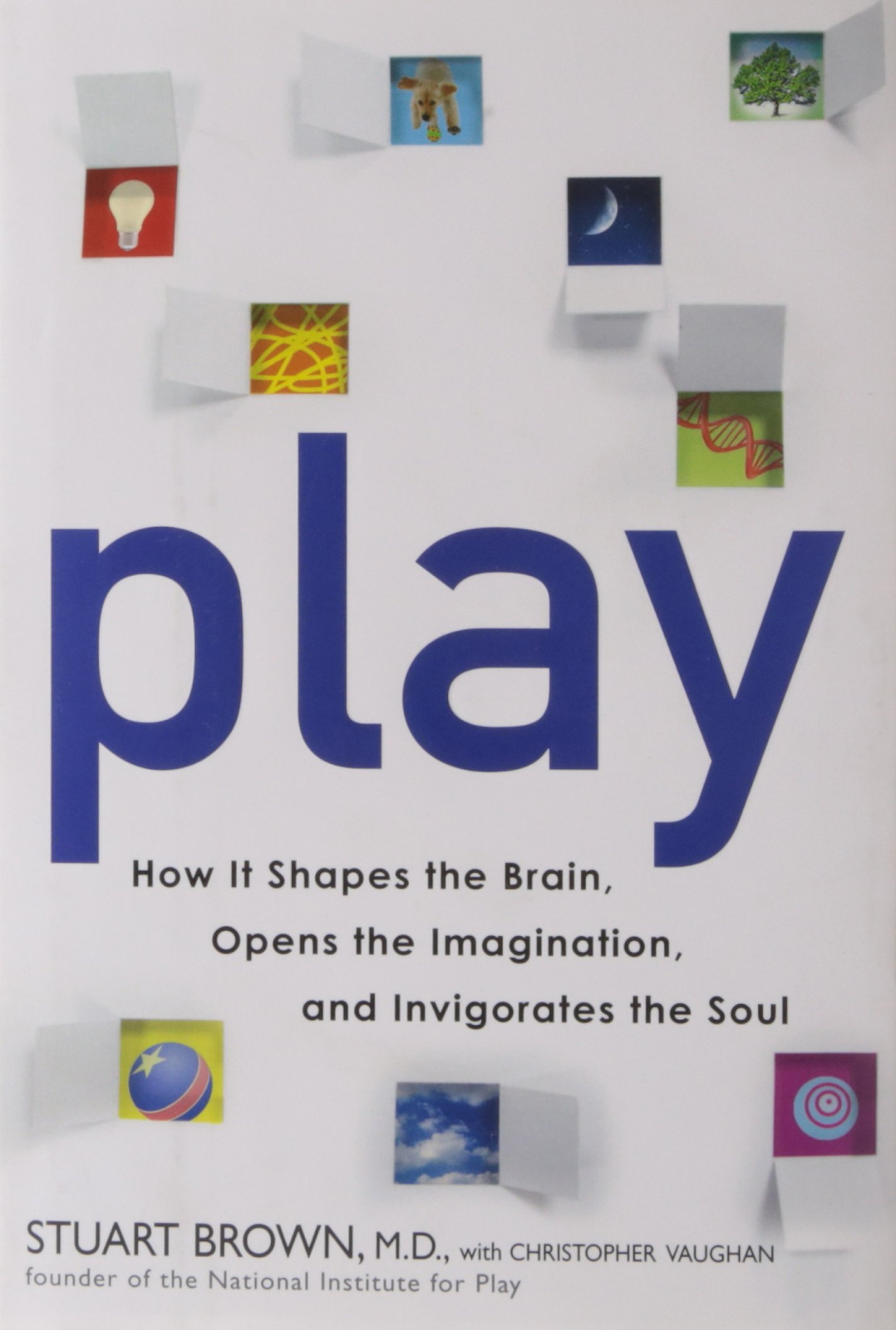
In his book Play: How it shapes the brain, opens the imagination and invigorates the soul, Dr Brown provides the evidence that, even though for adults taking time to play with our friends, kids, family and pets is taken as an unproductive guilty pleasure only possible on vacations, it is anything but trivial. Play is a biological drive as integral to our health and development as sleep or nutrition. This goes beyond the common knowledge around brain-teasing puzzles such as jigsaws, riddles, and board games and marries the neurological challenges with the physical, social and emotional aspects of development strengthening the way we parent, educate, work and govern all layers of society.

IMG_20140706_133359.jpg

We all know how important it is to find time for fun during a busy work schedule, but rather than framing play as an unimportant luxury you’re just too busy or tired for, make it a priority. Organise some two-on-two basketball, splash around in the pool with your kids, or run and roll around with your dogs. Doing so, won’t just benefit your mood, but will add to the health, wellbeing and even the productivity of you and everyone else involved - though, how advantageous play is to pets’ productivity is still under examination.

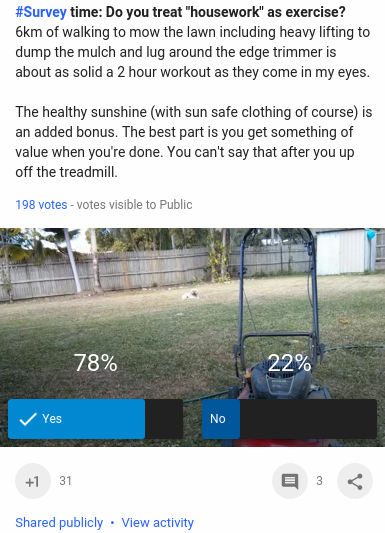
Last week, I asked everyone following my Healthy Forever Google+ Collection whether they considered housework as exercise. To my pleasant susprise, close to 80% of the near 200 votes at the time said yes. The reality is, that trying to keep all aspects of life compartmentalised as singular activities is rarely possible. Broadening our approaches to life, and in this case our exercise, allows us to cover more ground with less time.

For the record, I enjoy the gym, most of the time, which is the same for just about all forms of exercise or physical activity there is. If you’re a gym-rat and love nothing more than setting up a different day of the week to specific isolated muscle groups, congratulations, that’s awesome. A lot of people though, go through phases depending on their other responsibilities, money, the weather or motivation levels and while committing to the weekend road run or crossfit twice a week is obviously an admirable endeavor, it’s important to understand that exercise comes in many forms and therefore, with the right approach, doesn’t have to be all that time restrictive.

Screenshot 2016-01-06 at 8.53.58 AM.png

30 December 2015

Advice for Healthy New Year's Resolutions

sketch-1451345232600-01.jpeg

It's easy to finish the year incredibly determined to start the next one off on the right foot. January is the busiest month for gym memberships. It shouldn’t be surprising that when it comes to New Year’s Resolutions, those relating to health and fitness represent the majority of declarations. Here are some of the more interesting statistics on New Year’s resolutions are taken from Details and Statisticbrain. Thankfully, the internet makes it pretty easy to request, gather, organise and analyse social data of this nature.:

  • 45% of people make New Year's resolutions
  • 1 in 3 people ditch theirs by the end January
  • 2 in 3 people who make resolutions include health as a goal
  • 73% give up before meeting their goal
  • 21% resolve to lose weight and this is the most common resolution (improve finance and getting organised round out the top 3)

Why New Years makes for a such an appropriate time for prompting health and fitness changes makes a lot of sense. People like timelines and our brains function according to schedules, times and dates for substantial events. It's important however to remember that health and well being isn't a short term ideal. All the “new year new YOU!” motivation in the world doesn't mean much if it doesn't last but a couple of months. The star that burns brightest often burns out fastest. It would be great to lose 10kg in 10 weeks and just worry about the long term as it approaches, but without that big picture mindset, it'll be difficult to ever get where you truly want to be which is a self-sustaining long lasting lifestyle approach health and wellness.

It's not about being on a diet or losing weight as much as it is about being healthy. That being said, there aren't many times where turning over a new leaf by making some widespread goal orientated lifestyle changes is better sparked than the new year. Here are some things to keep in mind when putting together your New Year’s resolution.

DSC_6051.jpeg
New year, new you!
Some things may have to be drastic
Deciding on what aspects of your new lifestyle should be jumped into with both feet as opposed to a slow transition can be quite difficult. That being said, while easing into healthier eating or exercise may seem smoother and more comfortable, it’s important to respect the difficulties temptation and convenience bring to the table. WIll power is an area of academic study gaining a lot of attention lately. While willpower and determination are inherent traits which cannot be concretely quantifiable, there is an increasing body of psychological and sociological research discovering that willpower is limited in strength.

The American Psychological Association explains that willpower is like combination of skill and physical capacity. Willpower can be learned and developed the same way cardiovascular endurance, or reading efficiency can be improved as well. However, the most pertinent aspect of this is that willpower depletes as it is tested. In other words, the more temptations and conveniences you have around you, the more your reserves of willpower are taxed and your self-control weakened. Keeping sugary treats or coupons for fast food around increase the likelihood of broken diets in the short term and drastically weaken the long-term success of any healthy lifestyle change.

As uncomfortable or wasteful as it may seem, it therefore may be the best thing in the long term, to go through a dramatic kitchen cleanse and get rid of all highly processed, carb-rich foods, pre-packaged sugar sweets, and toxic convenience-meals and snacks. If you don’t see them, you don’t need to rely on self-control to not eat them.

Regarding exercise, the notion of self-control can also be aided by including others into your plans. The peer-pressure effect of obligation has shown to work wonders for helping people commit to their workout plans. Rather than rely on your own willpower to go to workout on your own, not wanting to bail on a friend or trainer, or waste a membership you’ve already paid for can be a powerful motivator.

Some things can be eased into
Where some things should be made drastic as discussed above, others should be eased into to prevent yourself from feeling bad for falling short. Missing a gym session isn’t really that detrimental if overall, you’ve been living a more active lifestyle by walking more, opting for the stairs rather than the elevator, and taking the kids to the park, and playing with them, rather than spending the afternoon in front of a screen.

Likewise, and this is a big one for me personally, healthy eating doesn’t have to be 100%. Christmas season just ended, which means there are plenty of people out there, that despite all the willpower in the world, practical circumstances made it near impossible to perfectly adhere to their usual healthy eating regimen. The same can be said for times of illness, emotional distress, the busy times at work, or any of the million other situations people find themselves in where they have less time, energy or motivation to exercise perfect discipline.

This means that, the goal, shouldn’t be to perfection or strictness with your new healthy lifestyle. When enjoying unhealthy holiday treats, or satisfying a fast food craving because of a crazy work period, do just that - enjoy it. Embrace the momentary lapse in wholesome living as just that - momentary - enjoy it, be mindful of what it means for your gut, temperament, energy levels and the rest of your body, and move on. Full awareness, no guilt. You’ll pick back up, when you can. It’s far too easy to let things go at the start of december with first offering of rum balls and shortbread, and to go from there, to a guilt-induced over-dramatic New Years resolution after 4 weeks of chocolate, cake and hot cocoa.

Screenshot 2015-12-29 at 9.11.52 AM.png
Tracking your activity and progress is handy, but there's not real finish line to healthy living.

Emphasise actions over results
While being goal-orientated is often a positive way to tackle new challenges, it’s important to remember that being fit and healthy doesn’t involve an end goal. Declarations such as “lose 10kg” may be a useful way to track and measure success, but the actions that bring that result about are what are more significant.

In other words, if “lose 10kg” or “fit into this size jeans” is the goal you have mind, it may lead to a lack of satisfaction or motivation once that goal is reached. Instead, frame your goals around the actions you want to make in the new year. Rather than run 5k, focus your motivation on running weekly. While bench pressing your body weight may be the ultimate check box you’re out to complete, improving or establishing a better chest routine may add a deeper angle to your workouts.

The main difference is in the approach. A smart and measurable goal makes it easier to judge success - am I swimming every week or not? Anyone with an organisational, logical or business-orientated mind can see obvious benefits in this. However, how absolute this approach is can cause motivational problems. After 3 weeks of missing your weekly swim, the logic that made the resolution so sound, actually adjusts to make bailing on the goal of hitting the pool every week seem more reasonable. There’s no point in telling yourself you’ll do something you just can’t at the moment because of work, illness, laziness or whatever other balls that spontaneously are added to those we have to juggle.

Instead, reframing the resolution to be more flexible, action-based and focused on the lifestyle change avoids these traps. A 3 week stint of not being able swim because of a hectic schedule isn’t as detrimental if the goal is simply to swim more often. While “swim more” may sound vague, and harder to track, than “swim 30 minutes each week”, it definitely allows for more an open ended pursuit of a healthier lifestyle. At its simplest angle, unless you’re perhaps a competitive swimmer, or signing up for a charity team-triathlon, warranting a dedicated swimming program, any measurable benchmark may be irrelevant. For the average person, the overall goal isn’t to swim every week, it probably isn’t even to swim more, but is really just to be more active, and stay more active for an undetermined amount of time - as long as possible. Focusing your attention on the action, may allow you to forget about the measurable checkboxes and instead make the balanced, diverse and varied adjustments to your life, as you live it.

A summary and example
First, depending on where you’re starting point is, some changes you make to move toward a healthier lifestyle may need to be drastic. Keeping these simple and visibly identifiable helps. Large one-off prompts may help jolt you into action and relieve you of conflicting engagements or taxing bouts of willpower.

Second, it’s important not to go overboard with too many deliberate and quantifiable goals. Life is complicated for most people which mean that meeting rigidly planned commitments can be near, or literally impossible in the complicated juggling that goes on. Feeling like a failure and then giving up, can often make the tactile goal more trouble than it’s worth.

Lastly, focusing on the actions rather than end-results serve to stabilise any changes you make. Even though benchmarks can make progress tracking easier and provide a nice sense of achievement, they can make thinking long-term aspirations difficult and when it comes to adopting healthier practices, the long-term is really all that matters.

In our house, we’re in the process of increasing our intake of quality animal products - namely bone broth and fatty meats. The commitment to going shopping almost every other day in pursuit of fresh, local and wholesomely produced food is a pretty big step and has taken some serious adjustment regarding how we plan our days. Trying to lift weights more is a slight yet high-impact adjustment we’re trying to make. Gym memberships have been paid for, but there’s no strict program or class-commitment. Half an hour, twice a week is the loose goal we’re trying to hit as a minimum standard. Sprinting more is the last health related change we’re hoping to make going forward. The killer Australian heat makes it tough for about half the year, so winter has never been a problem, but 4 or 5 100m dashes once or twice a month on average throughout the year seems reasonable to me. Regularly moving at maximum exertion (for short instances) is incredibly beneficial, and far more time efficient.

That’s as far as it goes for in terms of 2016 health resolutions. Three very simple and deliberate changes to make, but neither is set up as a finish line to succeed or fail at reaching. Again, the act of incorporating these into our lives for the long-term is absolutely more important than to what standard we meet these within the next 12 months. Stopping once success is reached to go back to normal is not success at all. Success is establishing a new normal.

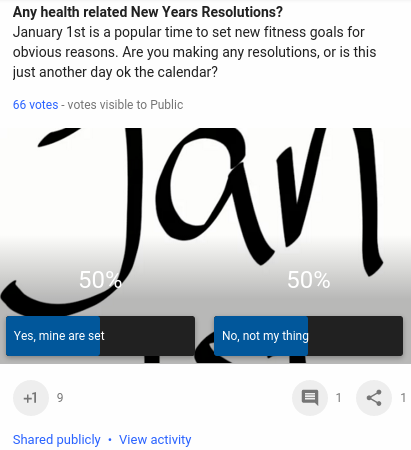
According to my Healthy Forever followers, about 50% of people set health and fitness related New Year's resolutions.