Showing posts with label Things I love. Show all posts

13 January 2016

Google Fit app review: a free and excellent fitness tracker

If there's one piece of technology that has really exploded in popularity in recent years, it has to be fitness trackers. As recent as 3 years ago wearing devices around your wrist, clipped to your clothing was a niche market. At the same time, using phone app to track your runs or rides were common for enthusiasts and competitors, but the average person didn't care all that much. Since then however, it's difficult to be in a public place, a shopping centre, office, or busy pedestrian street without spotting many a lot of these devices on people's wrists.

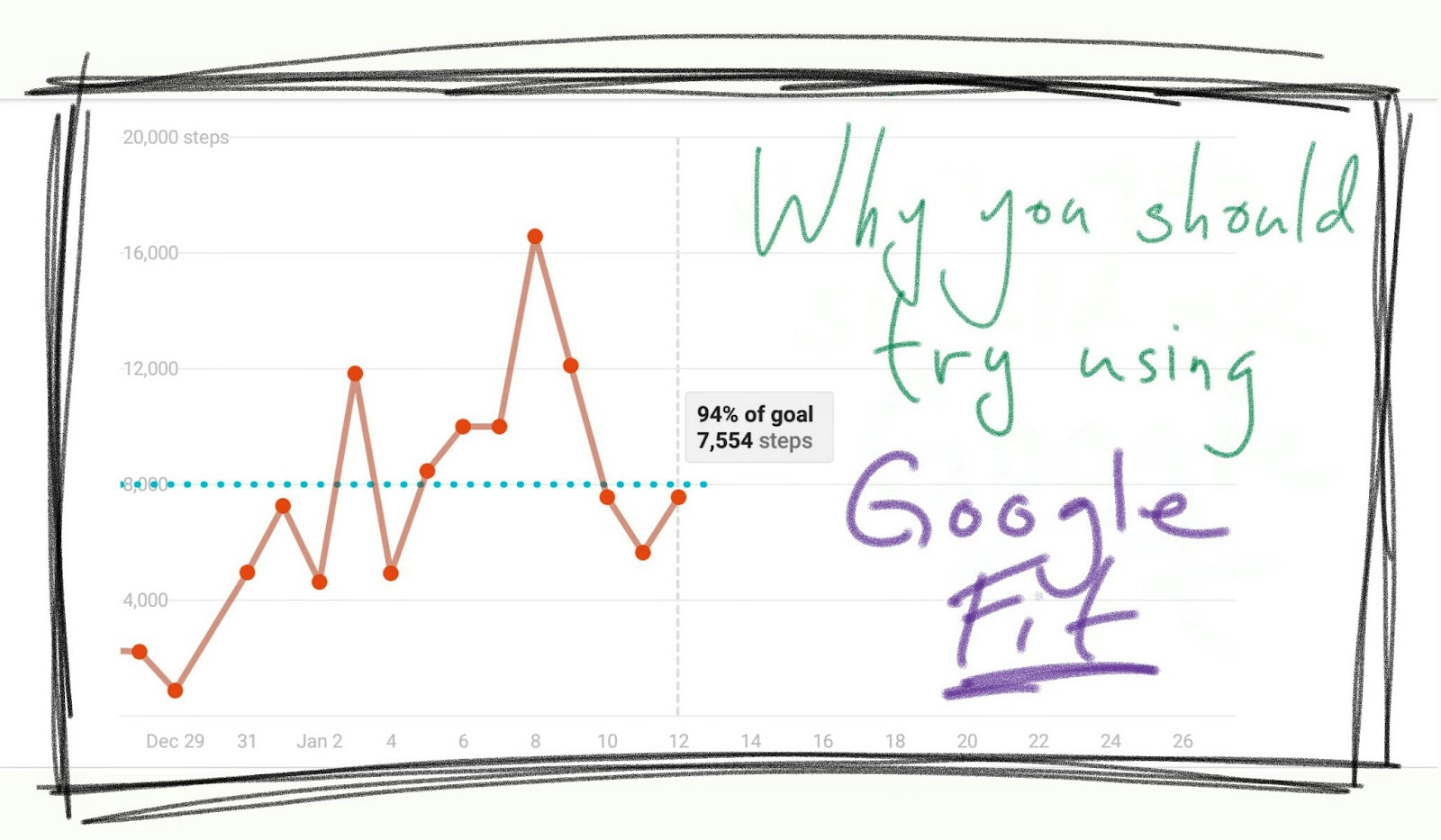
Activity trackers likes Fitbits were among the most popular holiday gifts for the last couple of years. Whether it's dedicated devices or specific apps, it's become incredibly common, extremely easy and debatably useful for people track their steps, weight, distance travelled, energy burned and overall physical activity in pursuit of better health and well being. There are so many options with a wide range of features, form factors and price points, but if you're just starting out and testing the waters, Google Fit may be what you're looking for.

Google Fit is an activity tracker created and managed by Google, in the same vain as Gmail, Google Photos, and Google Calendar. Like all other Google Apps, Google Fit is at its core, web-based which means all information is stored and sorted on Google’s services and therefore accessible across all internet connected devices. Google Fit’s ability to automatically track steps, distance and all other typical use-case information, requires your phone to run Android 4.0 (Ice Cream Sandwich) if the phone itself is going to be the primary tracker. The Android OS version shouldn’t be a worry as over 90% of all Android devices run at least 4.0 - if you have an Android device younger than 5 years, you should be good.

What Google Fit does

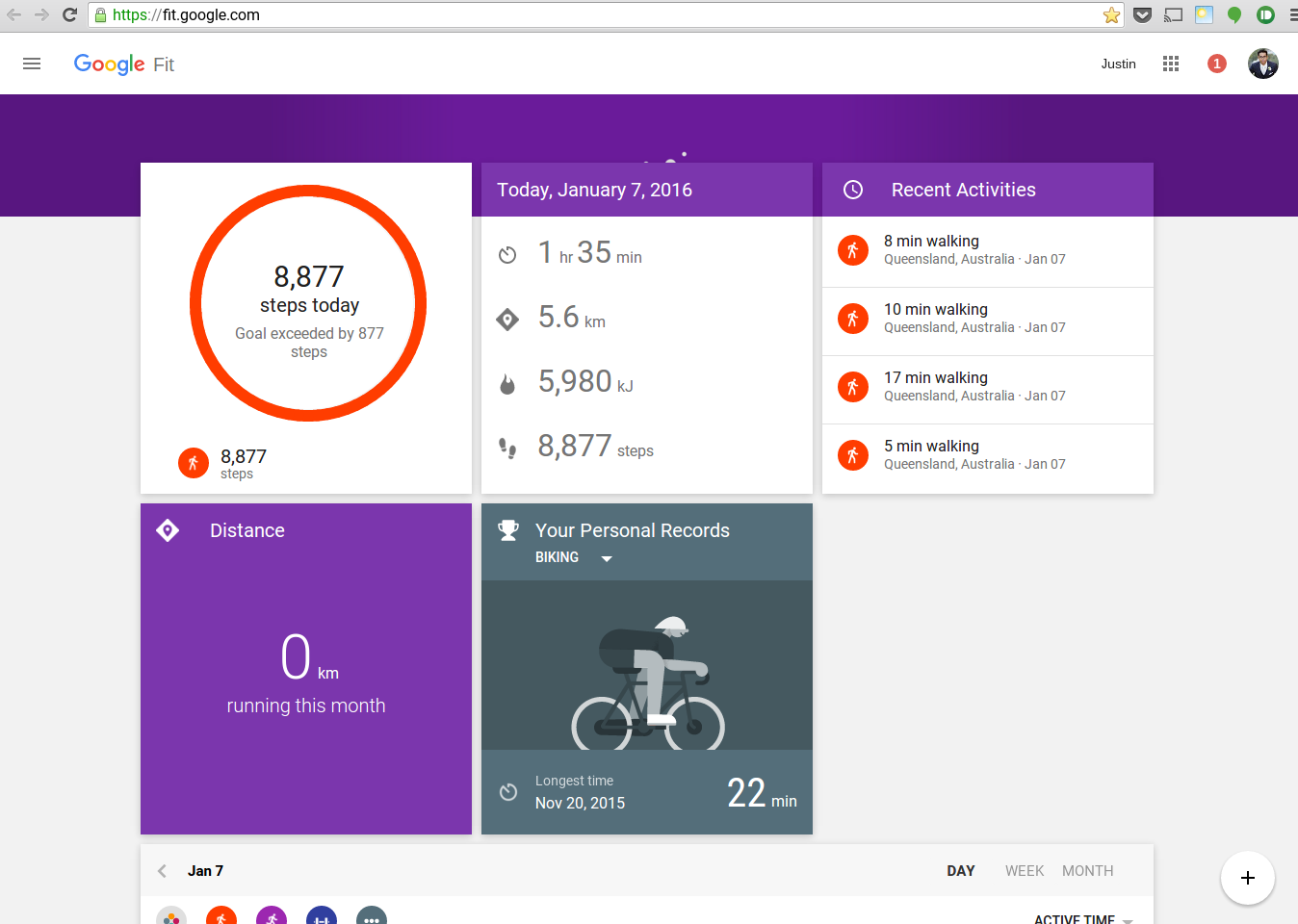
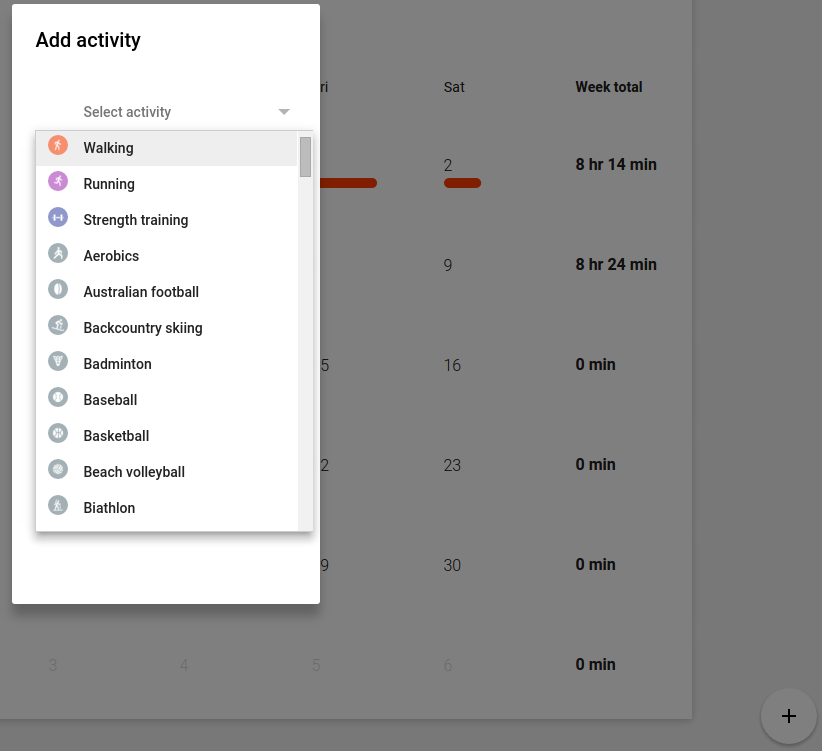
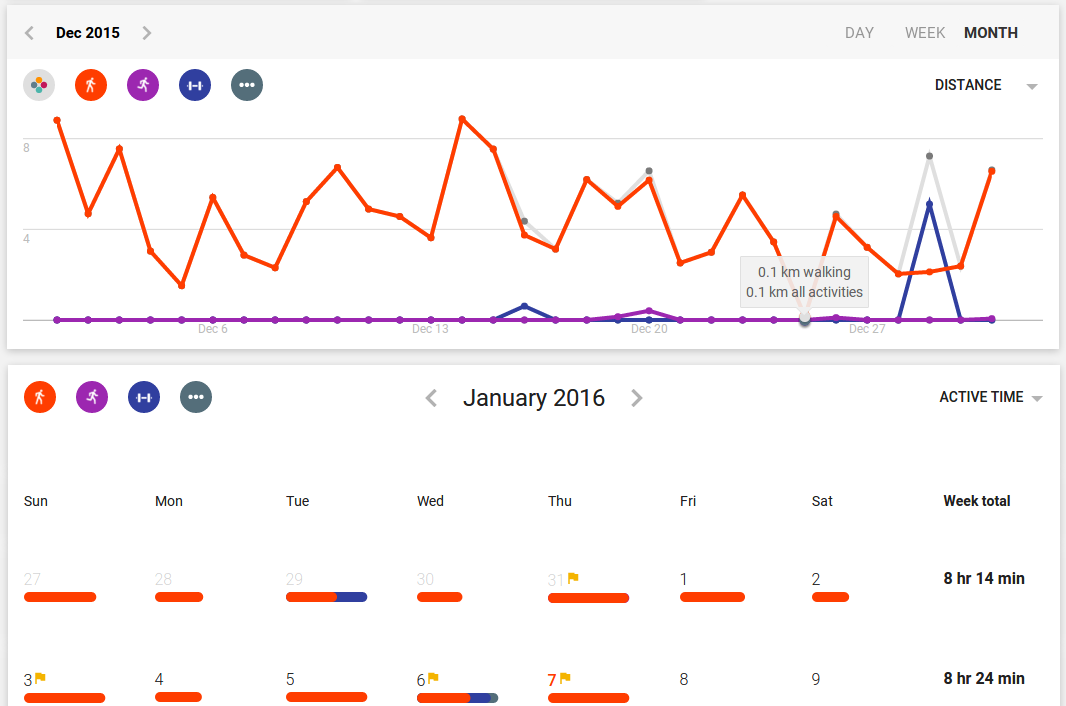
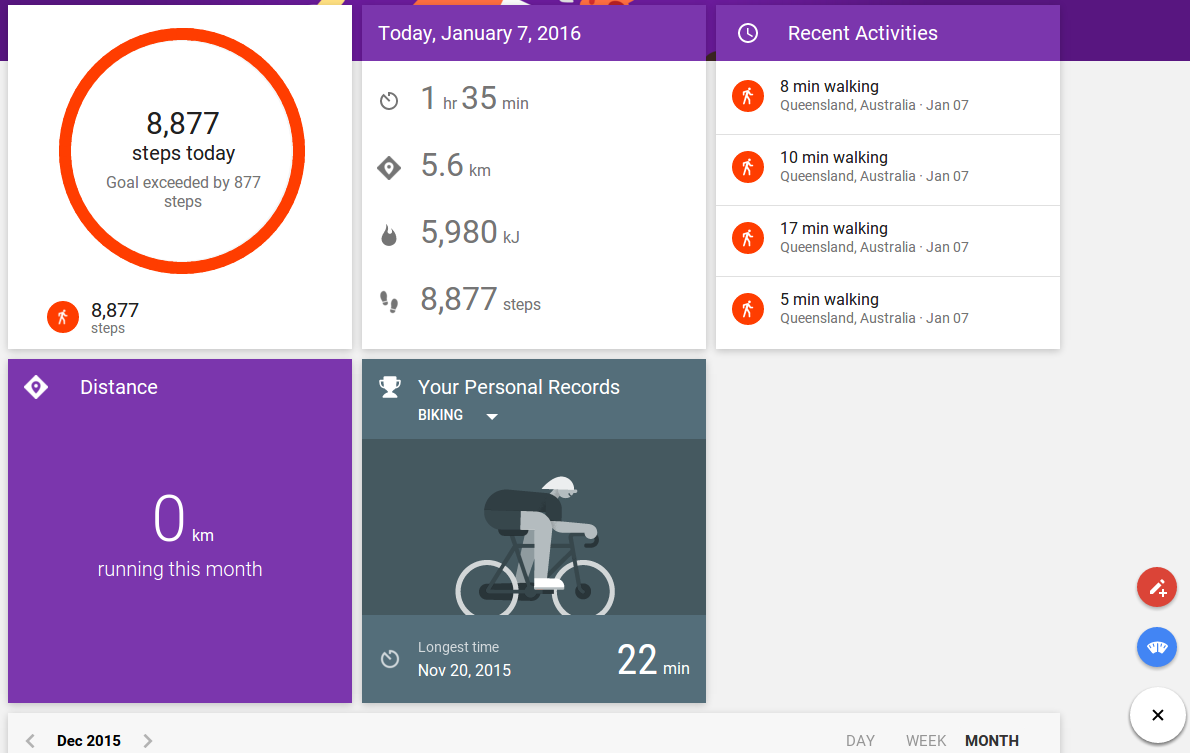
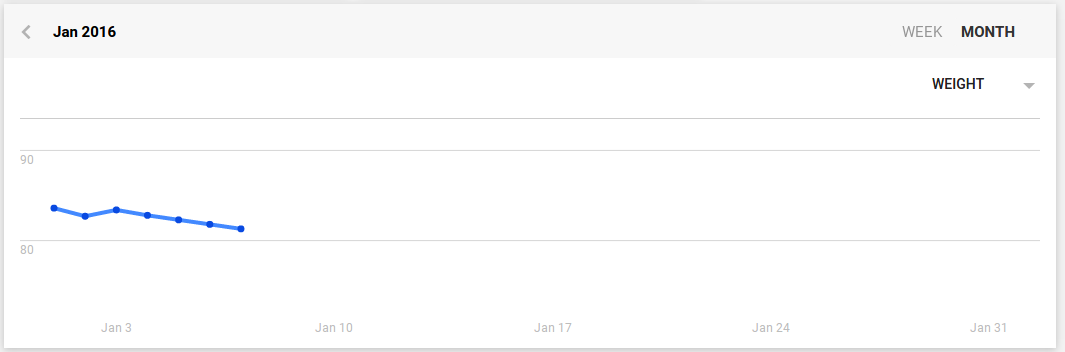
Google Fit is an app which tracks all of the basic markers of physical activity - steps, distance, active time and energy burned. It also allows you enter goals for each on a daily or weekly basis, and enter your weight measurements. The ring is usually the first graphic you see which fills as you build your activity each day with different colours differentiating between different information. The app is able to intelligently distinguish between walking and running, so if you forget to identifying a run, it will still log your steps, energy and the rest as your pace picks up. It's needy, but fun, to go back and find out that it identified those times you quickly scurried across the road or ran around the yard with the dog for a few minutes. Of course, for deliberate workouts, you can select your activity from a massive list (A-Z, Aerobics to Zumba) and the app will smartly configure energy burning, steps and active time for you. You can also enter an activity afterwards - in case you forgot or didn’t have your phone, or any tracking device on you at the time of your workout.

Google Fit then sorts all of this information and presents it to you in real time and with next to no effort. Simple rings and bars show progress, icons are clear and the overall interface make scrolling through past activities, entering new data, changing settings or viewing progress trends easy and fast. The app is designed incredibly cleanly and refrains from bombarding you with menus, options and other elements that could create a cluttered and distracting user experience. Everything you could want to see is incredibly easy to find.

Google Fit is free and available everywhere
The best things about Google Fit are it's price and availability. As alluded to before, like most Google services it is entirely free and accessible anywhere. Download the app to your Android phone, spend 5 seconds activating it and you're good to go. There's no need to turn it on or off when you want to use it, once you're setup it just just keeps working. I am pretty deliberate with tracking my activity, it's fun for me, so I'm always looking at the app on my phone, or on my laptop (fit.google.com) to see how things are going. My wife doesn't care so much, but does like to see from time to time. She remembers her phone does this maybe once a week and very simply she can get a solid idea of how active she's been over the last few days, weeks or months. Of course, this depends on your phone being on you, unless you have a tracker or smart watch.

The availability is where I find the most piece of mind. Apple Health requires an Apple device, there is now Web version, so if you one day move to Android or Windows phone and your history is locked within Apple's walls. As said before, Google Fit being available via a browser adds a greater layer of openness for the long term. It's so handy to be able to look at my activity on my phone, tablet and laptop, and it pulls from most other notable fitness trackers to combine everything in one place is incredible. The value increases exponentially as I'll still be able to do so when I upgrade all of those devices. IT should be noted however that synschornisation isn’t perfect - at least not in real-time. Below is a photo of the web-site screen, my tablet and phone and as you can see the information is close, but not exactly the same. Past results all seem to be consolidated, for example the logs are all identical as of 2 days ago and earlier, but real-time and the day before seem to be be slightly conflicting.
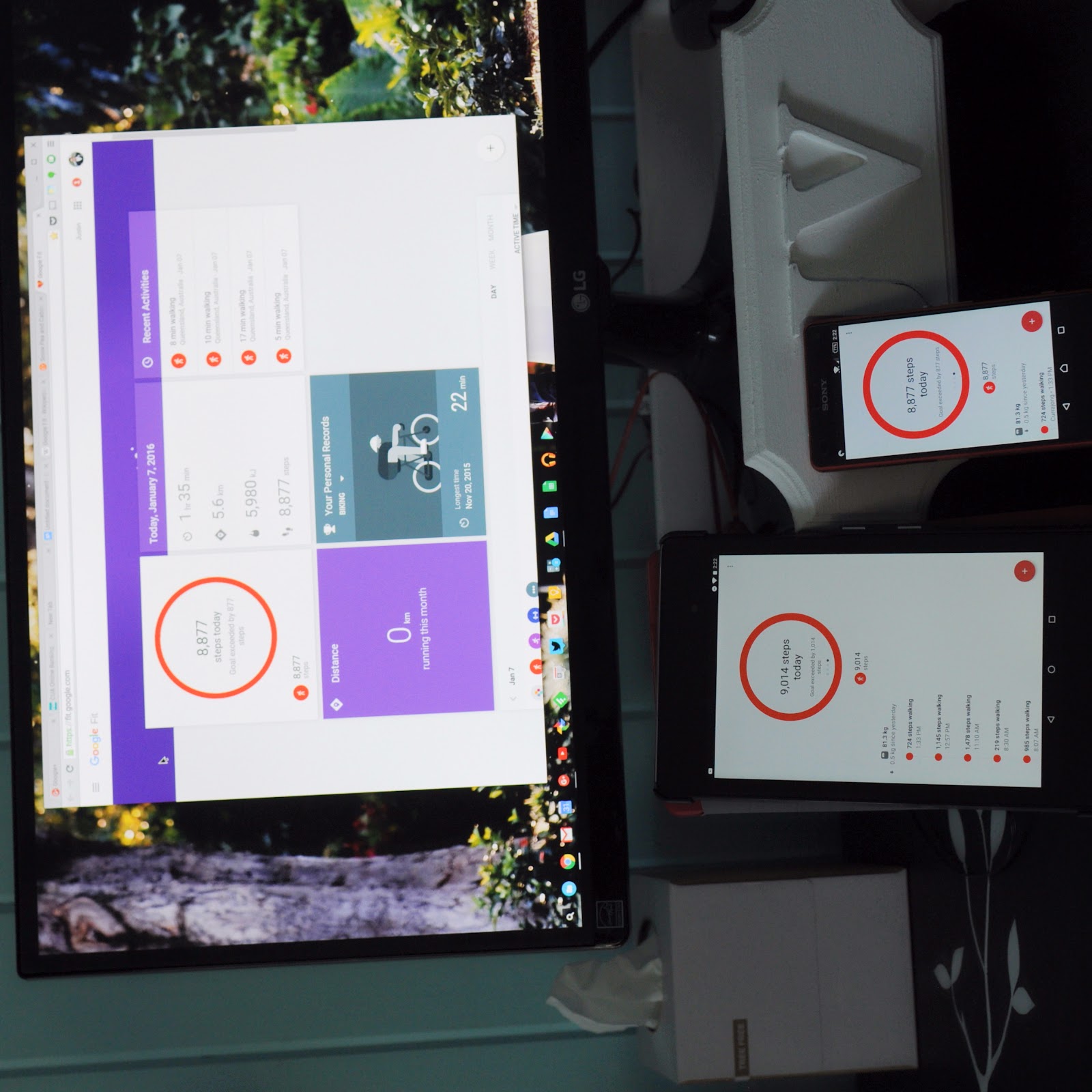

While the slight glitch in across-device consistency isn’t perfect, this flexibility is the greater plus. Maintaining a healthy lifestyle is forever, so if you're in the camp that finds value in activity tracking, being locked into whatever device you're using in a given moment, and the possibility of losing everything if and when you change to something else is a big deal. You may use a step counter now, then take up running next year and therefore want a different device made by a specific running brand like Polar, change phone makers 2 years later, and who knows what else in the decades to follow. It pains me that the biggest line, Fitbit is refusing to partner with Google (or Apple) on this. Fitbits are great, but on a  personal level I don't like services that are built to lock me in.

There's no iOS app yet
The unfortunate and frankly, un-Google aspect is that there currently is not iOS app. The Google Fit app is exclusive to Android, just like Apple’s version, HealthKit is exclusive to iOS. This means that iPhone users can use Google Fit to keep their records, but the phone’s sensors can’t feed into Google Fit directly. That being said, Google has allowed access to developers for anyone who chooses to use their APIs, which means that most of the well known fitness apps, Nike, Strava, Adidas, Withings, Runtastic, RunKeeper, and MapMyFitness can all synch to Google Fit. So, if you use Strava to track your bike rides, Nike+ to track your runs, plus want a place to log your weight each week, Google Fit can be your one-stop-shop. It is bothersome that Google Fit is not available on iOS. Google Apps are usually written for Apple devices (Gmail, Drive, Google Maps, Google Play Music and Google Photos are all on iOS), as Google’s model is built on allowing everyone to use their services, so Google Fit may be coming. Long story short, if you have an Android device, you’re all set, if not, you’ll need a fitness tracker otherwise you’ll be entering things manually.

Overall
Google Fit is a free application for logging and tracking your physical activity and workouts. There’s no iOS app yet, but you can still access the app via the website which is a very big advantage. This, plus the fact that it can link to almost all other fitness tracking devices (i.e., Withings, Runtastic, Strava, Nike+, RunKeeper, etc) means that your activity will stay with you regardless of what watch, phone, wristband, tablet or laptop you find yourself using as the years go on. And, given that maintaining an active and healthy lifestyle isn’t a temporary endeavour, the ability to keep tracking your workouts, if you find so beneficial, regardless of what watch, phone or wristband you’re using is incredible.

The link to the website is fit.google.com and you can find the


13 December 2015

Historic Paris Agreement - 195 Nations set path to keep global temperature rise well below 2 degrees celsius

News like this epitomise the idea behind my entire approach to live, and the name of this blog.

Source: Climate Council Australia on Google+ - https://plus.google.com/+ClimatecouncilOrgAu


"It is the best outcome we could have hoped for, not just for the Least Developed Countries, but for all citizens of the world." 
Key pointsThe measures in the agreement included: 
- To peak greenhouse gas emissions as soon as possible and achieve a balance between sources and sinks of greenhouse gases in the second half of this century 
- To keep global temperature increase "well below" 2C (3.6F) and to pursue efforts to limit it to 1.5C 
- To review progress every five years 
- $100 billion a year in climate finance for developing countries by 2020, with a commitment to further finance in the future.
Source: BBC - http://www.bbc.com/news/science-environment-35084374

We must remember however that this agreement is just the first step. The success of this pursuit is of course dependent on all federal governments to design policy sophisticated and direct enough to regulate the change that is needed. The deal seems to have allowed flexibility for nations to do so which is important as not only is this agreement legally binding, but resistance from old energy supporters will undoubtedly identify complex problems.

For the full release from the UNFCCC (United Nations Framework Convention on Climate Change, click here.


10 December 2015

Is it healthy? Coffee


What constitutes as healthy, especially in terms of food can be a complex question to ask. It seems that for many foods, there are just as many people professing health benefits as there are proclaiming they'll lead to cancer, obesity, heart disease or dementia. In some cases it's also generational - eggs are healthy, then they're not, now they are again, and the same goes for margarine, rice, milk and dozens of other staple foods. It is not too hard to get people into a heated debate about carbohydrates. This is why so many people become frustrated and apathetic and end up leaning on two superficial sentiments that are wrong, right, superficial and insightful all at the same time.


Everything will kill you
This line falls closer to the apathetic side of the scale. Red meat will give you cancer, not enough meat will lead to iron deficiencies, not enough of certain fats will lead to dementia, grains will lead to diabetes, milk will cause indigestion and skin problems, too much sun will cause skin cancer, and not enough sun will lead to other cancers and mood disorders.


Everything in Moderation
This is the more optimistic view of things. Nothing is entirely healthy or entirely bad for you and therefore you can eat whatever you want as long as your portions are reasonable. It’s very much a common sense approach. Of course, pounding away a litre of ice cream every night or starting every morning off with a few doughnuts is unhealthy. Everyone knows that, but one of the most troublesome realities when it comes to health and nutrition is that many things, aren’t common sense. Green vegetables and almonds are good, and chocolate and colas are bad, but there are many things, where the situation is far more gray than people may realise. What does the research say about the foods with which the health profile isn’t entirely clear and common sense may not apply?


2015 - 1.jpg


Is coffee healthy?
Coffee is one of the oldest drinks there is, dating back to at least the late 10th century. Like various teas, coffee has been enjoyed historically for centuries stretching from Turkey to Ethiopia. Like most time-tested, ritualistic foods, coffee is said to have been a key meditative, social and stimulating ingredient and therefore highly sought after by empires from North Africa, Persia, Asia and the Middle East.


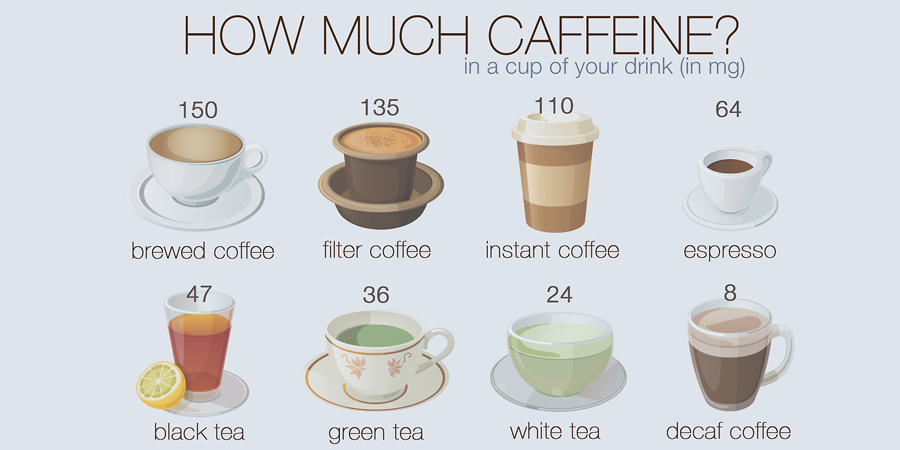
http://www.hashslush.com/the-right-dose-of-caffeine-for-your-inspiration/


On the one hand, coffee is celebrated for numerous health benefits such as anti-oxidants, containing little calories, and being linked with lower incidence of conditions such as type 2 diabetes and Parkinson’s.  That being said, coffee is often maligned due to caffeine content, as well as high sugar and processing that comes with flavoured drinks lattes, cappuccinos and iced coffees that are popular today. These concerns come on top of the issues of caffeine such as connections to heart attacks, digestive problems and the nature of its addictive properties.


Of course though, it’s important to always remember that nutrition isn’t a scale of good and bad. It’s more of a quantum - foods are optimal in certain situations influenced by season, method of production and preparation and what else they’re consumed with - as well as the amount.


While the concerns around coffee are legitimate, most are associated to flavoured coffees. The processed creams and flavoured syrups from unknown sources are what do the real damage and should be avoided. As for the coffee itself, if taken without sugar or sweeteners, and with local, organic, full-cream milk if not black, coffee lovers should be at peace.


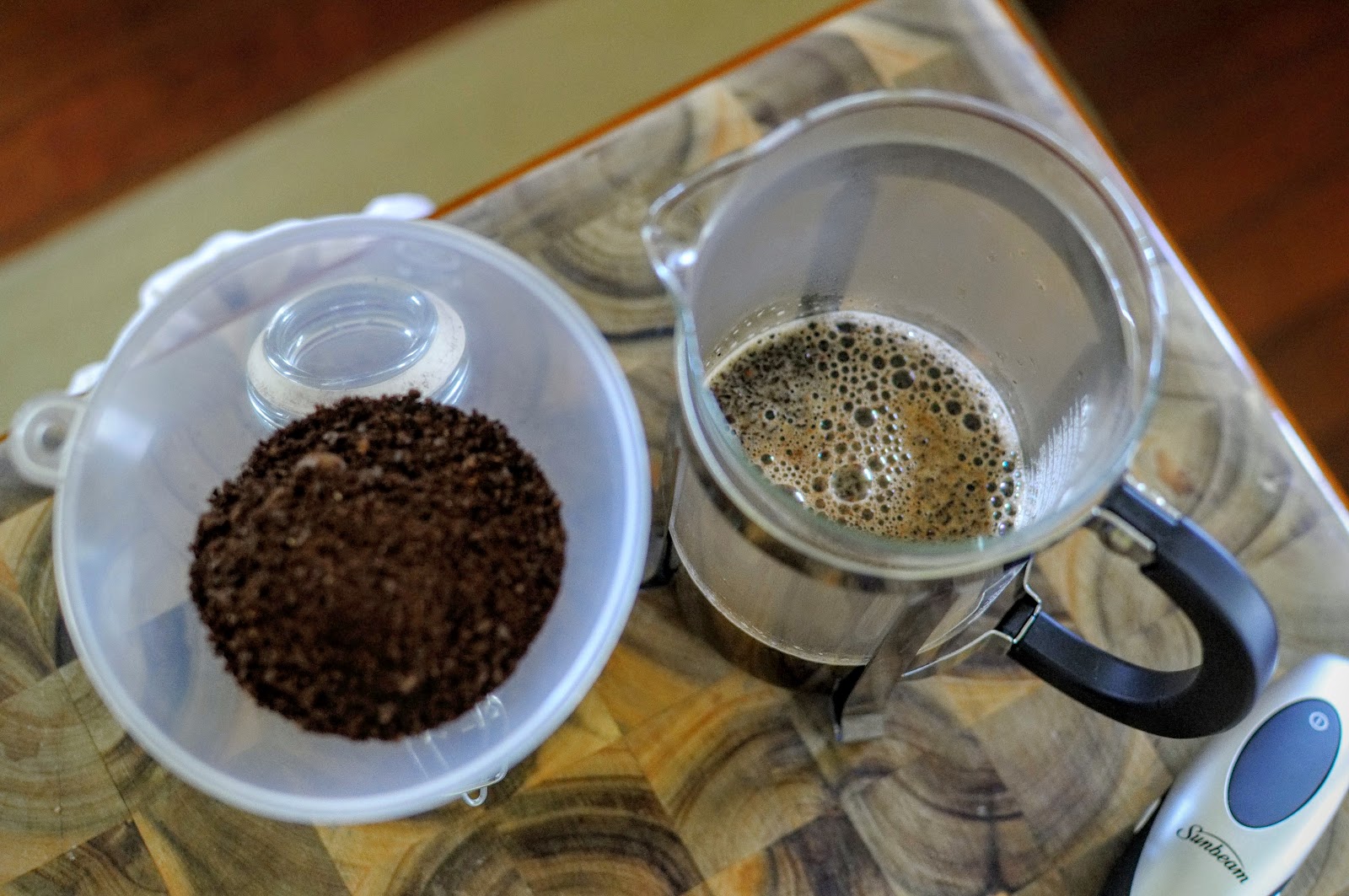
DSC_6008.NEF.jpg


Coffee is the number one source of antioxidants. Research in emerging in 2001 from Harvard’s Nurses Health Study, has built toward the following highlights:


  • A 2005 study exploring concerns that too much coffee was bad for blood pressure found no link between higher blood pressure and coffee and found some suggestion that it improved blood pressure.
  • Regular coffee drinking was linked in a 2011 Harvard study to lower risk of a deadly form of prostate cancer.
  • Also in 2011, a study showed that drinking four or more cups a day lowered the rate of depression among women.
  • A 2012 study tied three cups a day to a 20 percent lower risk of basal cell carcinoma.
  • A 2013 Harvard study linked coffee consumption to a reduced risk of suicide.
  • Also in 2013, a Harvard analysis of 36 studies covering more than a million people found that even heavy coffee consumption did not increase the risk of cardiovascular disease and that three to five cups of coffee daily provided the most protection against cardiovascular disease.
  • Also in 2014, Harvard Chan School researchers found that increasing coffee consumption by more than a cup a day over a four-year period reduced type 2 diabetes risk by 11 percent.
  • The same study showed that those who decreased their coffee consumption by more than a cup a day increased their type 2 diabetes risk by 17 percent.

The overarching theme with almost all food and drink should be the premise that nutrition is a complex quantum of beneficial and hazardous influence. Some foods are absolutely healthy, others are the opposite, but most are not only somewhere in between, but in various areas of this scale depending on the production methods, combinations, and the metabolism and genetic properties of the individual consumer.

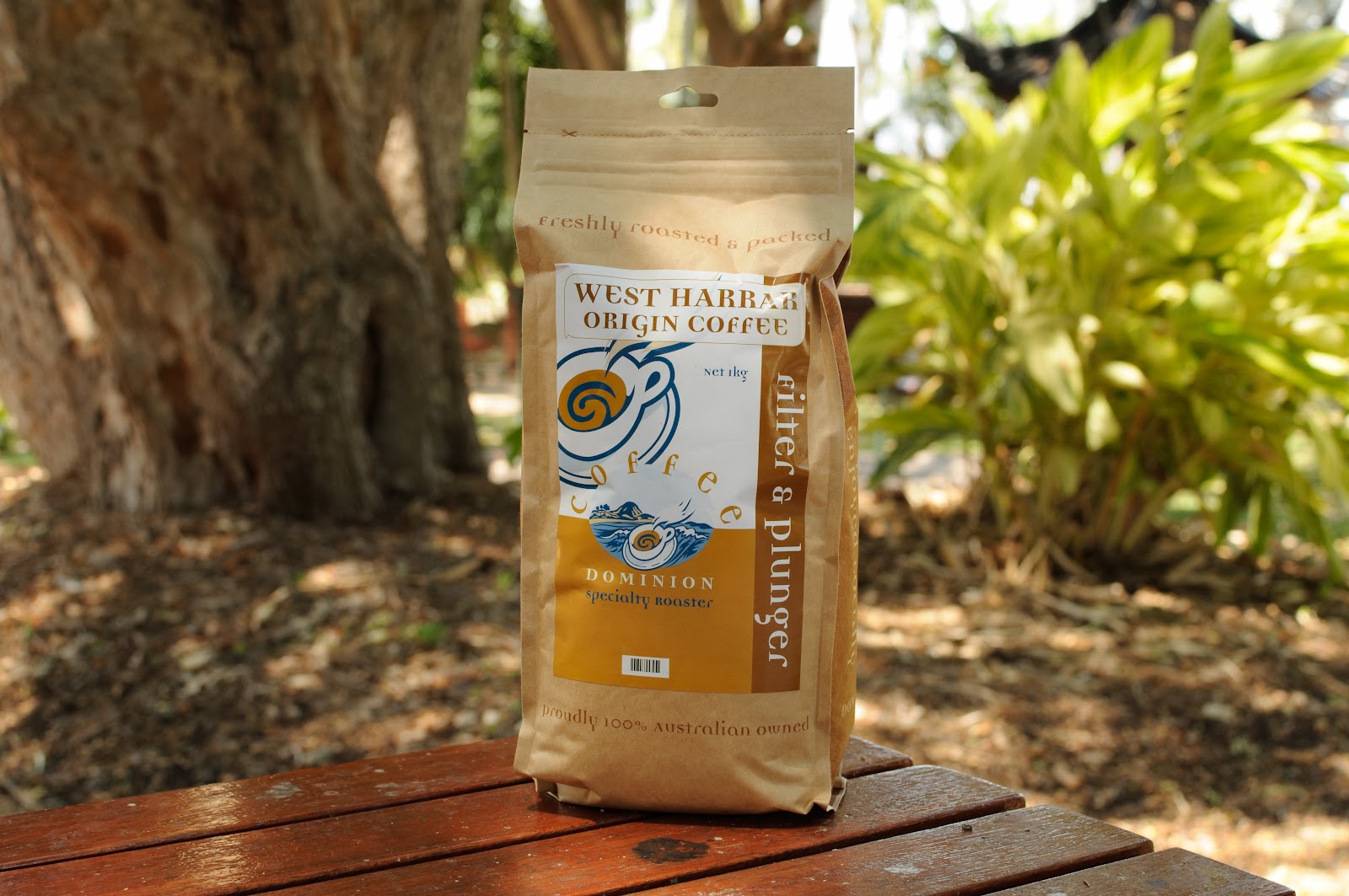
DSC_5823.NEF.jpg

So is coffee healthy? Mostly, yes. The fears of caffeine are over exaggerated, and the antioxidant, metabolism, and brain stimulating contents justify this.  Just stay away from heavily sweetened flavoured varieties, and if you’re using milk, make sure it’s local and full-cream.


26 November 2015

Why you should walk more

Everyone knows that walking is good for you. The more you can walk, the better. Step counting wearables like smart watches and health trackers seem to be everywhere, and there are tonnes of signs in public parks and ads on tv telling us to walk as much as we can as often as possible. There are dozens of widely agreed upon and accepted benefits to walking more.  Here is a quick rundown of some of these benefits provided by the Victoria State Government, “Better Health” website:


  1. increased heart and lung fitness
  2. reduced risk of heart disease and stroke
  3. improves management of high blood pressure, joint and muscular pain or stiffness and diabetes
  4. strengthens bones
  5. improves balance and physical dexterity
  6. increases muscle strength and endurance
  7. enhances fat burning


So yes, of course walking is good for you. There aren’t too many that would refute this claim. That being said, there does seem to be a problem with how walking is viewed culturally. Walking is underrated. The value of walking is not as as strongly perceived as it should be. Whether people are trying to lose weight, prevent disease or illness, or reduce pain, or be more active in any way, walking doesn’t normally doesn’t get the same type of respect as the more traditional forms of exercise - weight training, ball sports, running, swimming, and the like. People will often commit to a 3x a week gym plan rather than think about how much, or little, they walk throughout the day.


Primal Blueprint Law #3 is “Move frequently as a slow pace.” This means that when it comes to long-term health, walking is the most important physical activity, and surpassed overall only by nutrition. Light activities like walking come before strength training (Law #4 Lift heavy things) and high intensity workouts (Law #5 Sprint once in awhile). Crafting a balance of these forms of physical activity that fits with personal circumstance is key, but the point still stands regarding which one is first. Not only are is the research regarding the points listed above near unanimous in agreeance, but there is a growing body of contemporary science supporting that light activity as often as possible is more beneficial for overall fitness than the much more strenuous, traditional workouts that people commit to at daily or weekly intervals.


These are the two main reasons walking is so important.


One - Walking provides a platform for calmness and contemplation amidst constant distraction
For many, life has become so busy, and so dominated by technology and digital communication that there are few avenues for simple reflection. Walking is perfect for this. While deliberate forms of mediation may not be comfortable for many, there are few things more accessible and widely enjoyed than a good walk. Whether it's a fast paced exercise, light time to catch up with a friend, quality time with the dog, or solo time to be at peace with one's thoughts, walking is amongst the purest forms of being at peace.


Walking is also the most flexible in most cases. It not only requires little time, money and effort, but how it’s done is near endless in possibilities. Walking can be at a hastened pace with a heart-rate monitor, slow, leisurely and meditative, incorporated with shopping or errands, a social catch-up with a good friend, or quality time with the family - including dogs! Because walking can be done under almost any personal, environmental or social conditions, it can always be approached as an enjoyable, relaxing and/or invigorating - whichever type of boost you may need.


German philosopher Friedrich Nietzsche in Twilight of the Idols wrote that “all truly great thoughts are conceived while walking. The ability to stare off into the distance, observe the world go by and the scenery change has been found to stabilise blood pressure, ease muscular tension and ease stressful thinking. It is these physical and psychological conditions that allow for lucid thoughts and clear vision. Walking provides the perfect balance of aimless distraction, and focused attention to critically reflect on one’s life in the hopes of honest, sophisticated learning.


Two - Walking is the easiest way to be physically active in an increasingly sedentary society
Our hunter-gatherer ancestors spent much of their time involved in light activities such as walking, fishing, hiking, foraging, gathering food, wandering and many other varieties of low-level intensity. Even for those who are skeptical of the “paleo” philosophy of ancestral health, it’s difficult to argue that as humans have become more industrialised, life has become on the whole, sedentary. Imagine how much more physically active one would have to be in order to wash clothes and dishes, mow lawns, and entertain without technology. People spend more time seated in the comfort of their own home than ever before.


As easy, convenient and quick as it is to drive everywhere, ride the elevator, play video games and stream every TV show or movie ever made is, it becomes harder to incorporate regular physical activity into our everyday lives. There isn’t much of a need to get out and do things as much as there once was, and while there are loads of benefits, there are as usual just as many points of concerns that come from long-term sedentary living.


Barring injury, walking is the simplest method of maintaining regular, low-level activity within a busy life, technology-driven life. It requires no money, imposes minimal pain and discomfort on the body, and can occur at any point regardless of time, and still be one of the most beneficial aspects of a healthy life. Unlike strenuous cardio or deliberate weight training sessions, a warm-up, special clothing and equipment, money, time, or any of the other legitimate aspects which tax on people’s professional and personal routines don’t exist.


Again, it’s so easy, and this makes it more important, not less.
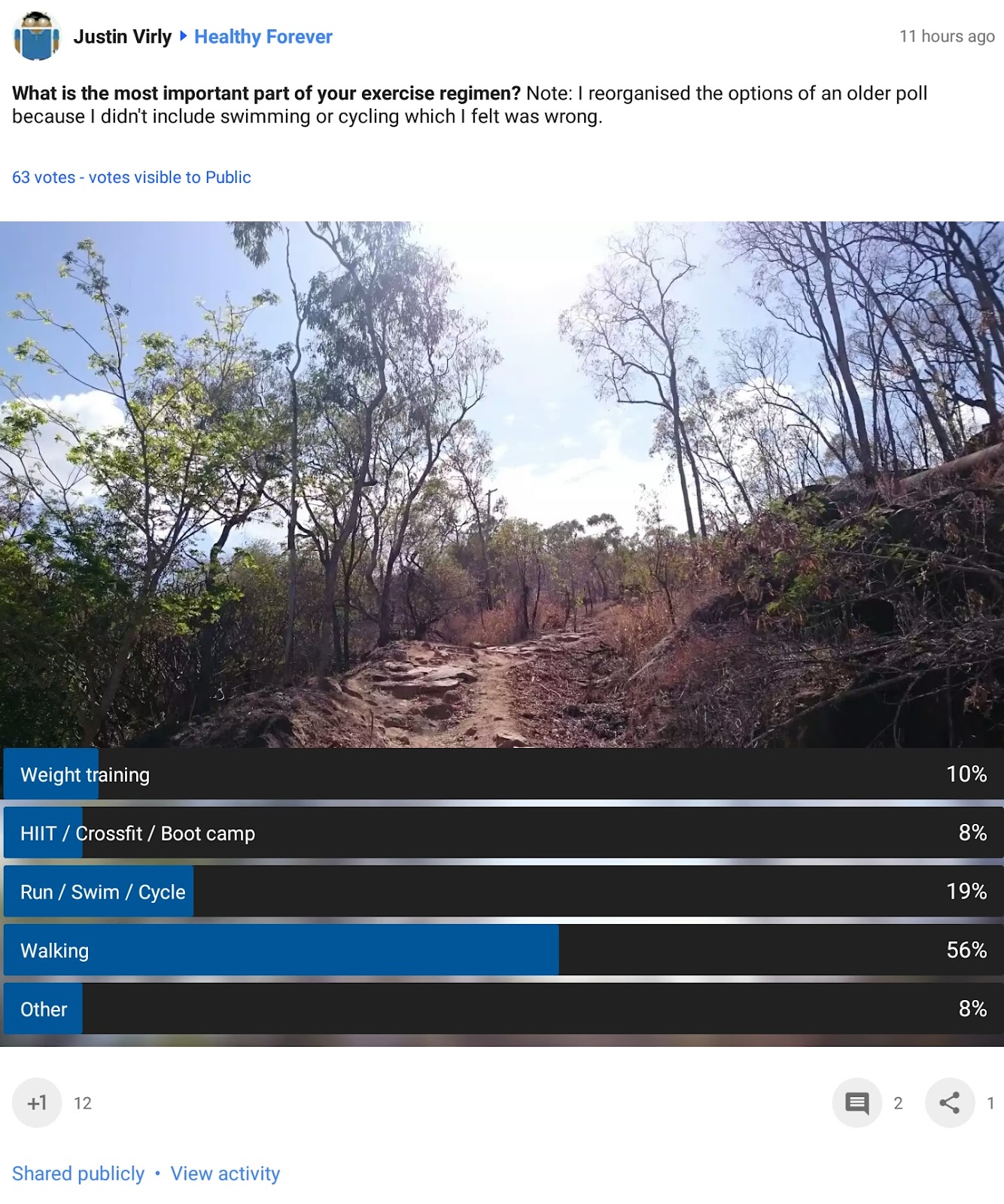
It’s easy to walk more and this shouldn’t degrade its value, but enhance it. For those with the strictest of time tables, meetings can be taken, phone calls made and emails responded to on your feet without much disruption. Research even suggests that the brain is more creative and less distracted while undergoing slight levels of physical activity. This is why so many great ideas occur outside of work and away from the desk. In a survey put up on Google+, the vast majority of respondents identified walking as the most important aspects of their exercise regimen. Where walking often takes a back seat to more intense forms of exercise, it really should be embraced as the foundation of physical activity. Opting to take the stairs at work rather than the elevator, parking a bit further away, or taking using one bus stop before or after the closest one can make immense steps in improve health - pardon the pun.